
By the Crown Trim Roofers team · Published · Updated
California Heights is the city's largest historic district, with nearly 1,500 homes along tree-lined streets. Spanish Colonial Revival homes lead, with Tudor Revival, Norman Revival and bungalows mixed in. A roof on one of these houses is part of the streetscape, and the city treats it that way. If your project involves clay or slate, our tile and slate roofing page covers the materials, and our page for Long Beach covers where we work. We are a roofing contractor in Torrance with South Bay and Long Beach reach.
How does Long Beach review a historic re-roof?
Long Beach requires a Certificate of Appropriateness, or COA, for exterior changes to a landmark or a home in a historic district. The city's materials say approval must come before work starts, even where no building permit is needed. For a re-roof, reviewers check that colors and materials are historically and architecturally compatible.
The steps in order:
- Confirm your address. Ask Historic Preservation whether the home is in a district or is a landmark.
- Complete the re-roofing application packet. The city posts it, and it says there is no fee.
- Submit it by email to Historic Preservation, then wait for the decision.
- Apply for the building permit after the COA is approved.
- Schedule inspections as the building permit requires.
Contact for Long Beach Historic Preservation: historicpreservation@longbeach.gov or (562) 570-6194. Their hours and procedures can change, so check before you go.
Will the review slow the job down?
Sometimes, sometimes not. Major projects can go before the Cultural Heritage Commission. Smaller changes that follow the guidelines can be handled by staff. Several city case-filing lists show re-roofs in California Heights approved at staff level, such as new composition shingles chosen to match the existing roof. We cannot promise a timeline. Ask the city what to expect for your scope, and plan the roofing schedule around it, not the other way around.
What roof materials fit California Heights homes?
It depends on the house. The common period roofs are:
| House style | Typical original roof | What reviewers weigh |
|---|---|---|
| Spanish Colonial Revival | Red clay barrel or mission tile | Color, profile and ridge detail |
| Tudor and Norman Revival | Slate, tile or shingles with steep pitches | Texture and pitch |
| Craftsman bungalow | Often wood shingle originally, and many now carry composition | Color and thickness |
These are patterns, not rules for your house. Look at your roof, photograph it, and compare to what the neighbors have. An ordinary asphalt shingle may be fine on a bungalow and wrong on a tile house, so the style drives the answer.
Can you keep an old tile roof and renew what is below?
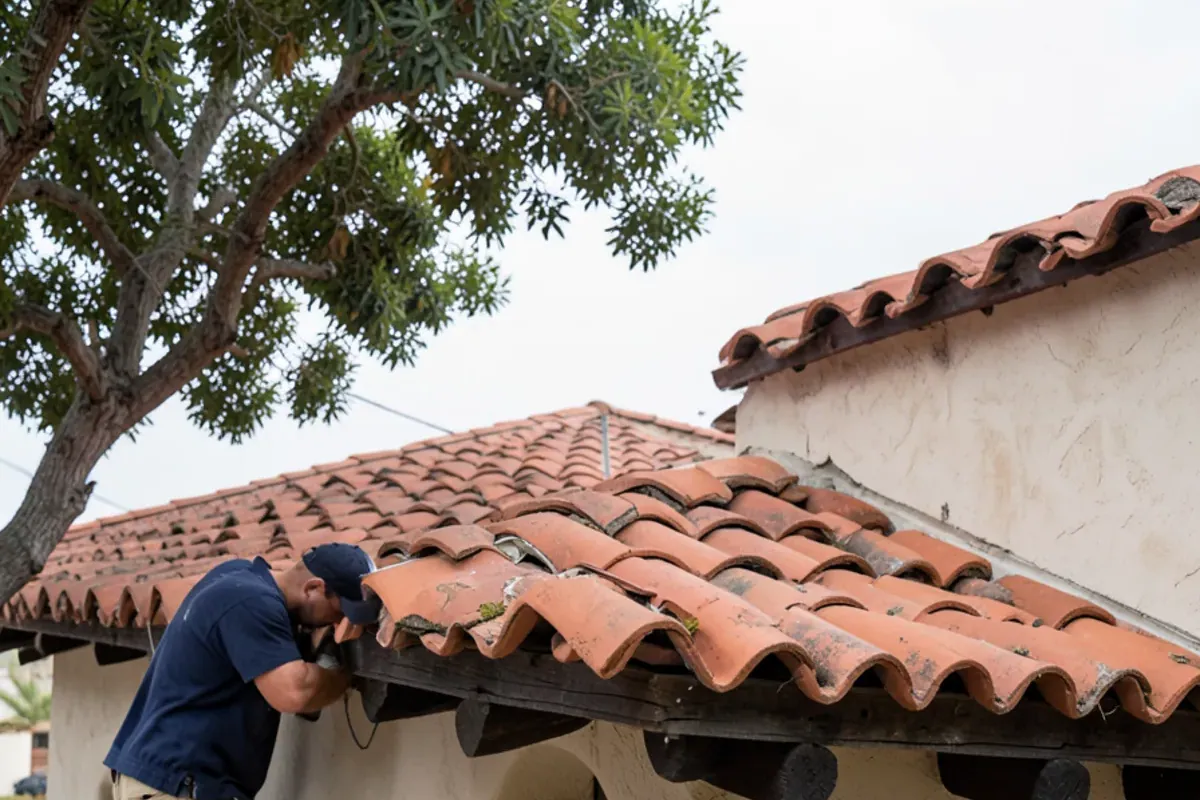
Often, yes. On tile homes, the most common story is sound tile over failed underlayment. The residential code does not allow a recover over clay or cement tile, so the tile is lifted, the underlayment and flashing renewed, and the good tile relaid. Because the roof looks the same from the street, the review is usually straightforward. We match existing tile and shingles as closely as we can. For the process on a tile house, see our post on how to make a tile roof last in Southern California.
What do period roofs need as they age?
Each house style ages differently:
- Spanish Colonial Revival. Clay barrel or mission tile usually outlasts what is under it. Check mortar on hip and ridge caps, flashing at chimney tops and wall junctions, and the underlayment beneath the tile.
- Tudor and Norman Revival. Steeper pitches and tall chimneys make access and flashing details harder. Slate or heavy tile adds weight, so ask how the roof will be staged.
- Craftsman bungalows. Composition shingle is common now. Mature street trees drop debris into valleys, so look at drainage and valley metal.
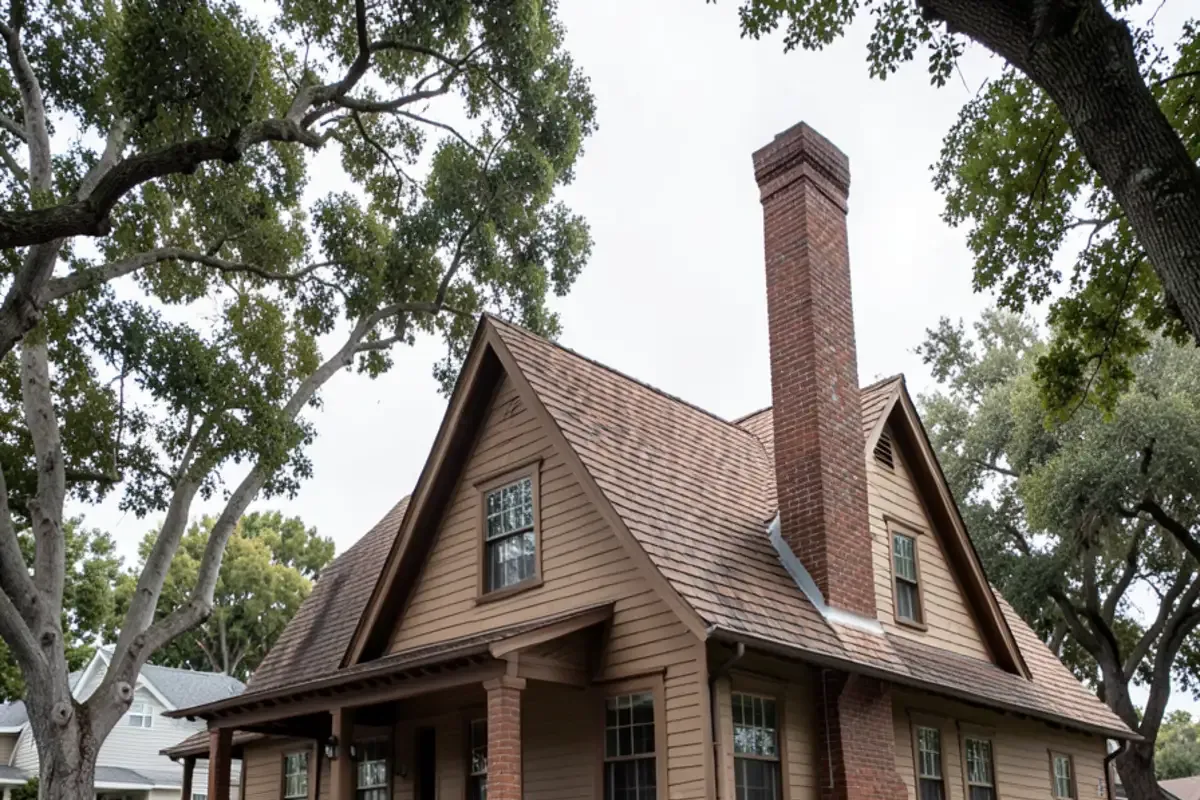
Our tile and slate roofing page covers the heavier materials, and the roof inspection page explains how we document an old roof before anyone proposes a plan.
How can the city's case logs set your expectations?
Long Beach publishes monthly Certificate of Appropriateness case filings. Several entries for California Heights addresses list re-roofs approved at staff level, with new composition shingles chosen to match the existing roof. That tells you the city treats a close match as routine.
It does not predict your case. Each decision turns on the existing roof and the new product. A match in color and profile is the easy path, and a change in material or look is the harder one.
What should you bring to the review?
A tidy file helps the reviewer say yes. For a Long Beach reroof in a district, gather:
- Wide photos of every elevation, and close photos of eaves, ridges and chimney tops.
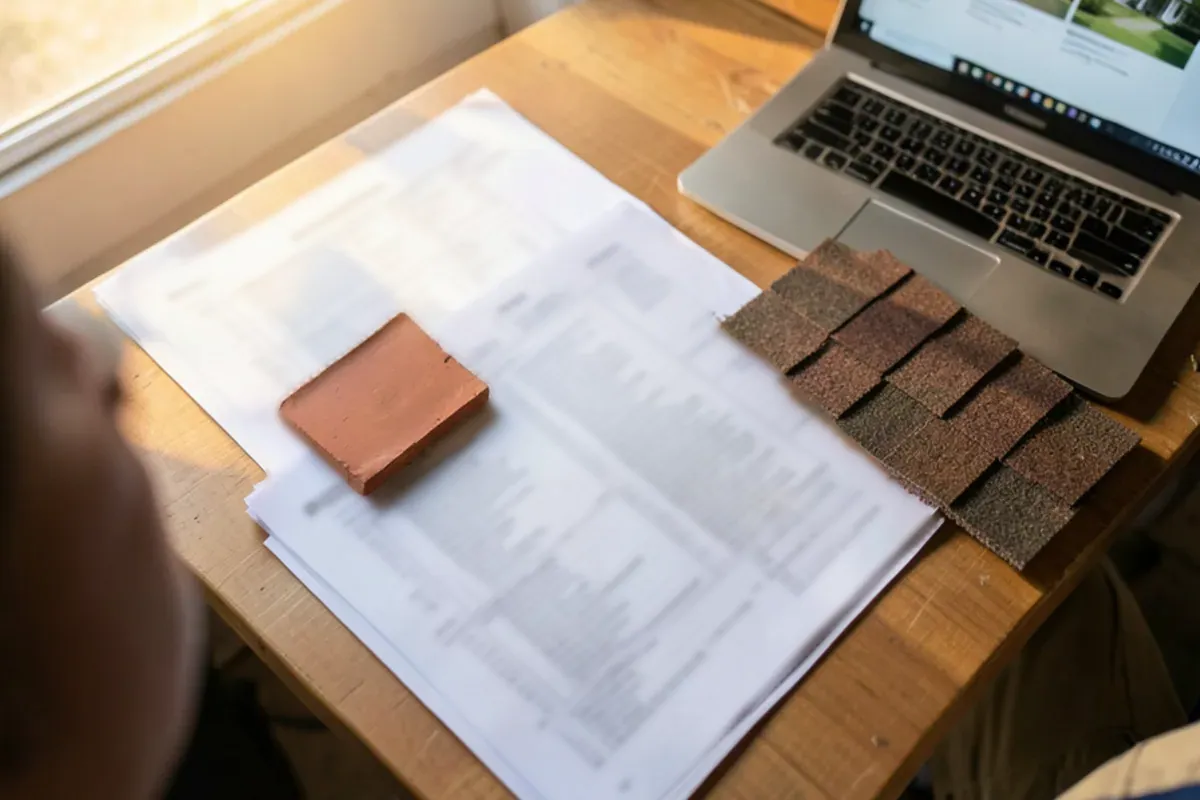
- The product name, color and a sample of what you plan to install.
- A note on what the roof is made of today and what is changing, if anything.
- Your address and parcel details, as the application asks.
If you are keeping the same material and color, say so plainly. Reviewers respond well to a like-for-like plan, and our shingle samples make color matching easier before you commit.
What about California Heights and Bixby Knolls roofing?
Bixby Knolls roofing sits next door to California Heights, and the two neighborhoods blur. They are not the same for review. The city's list of historic districts includes California Heights but does not list a Bixby Knolls district. Individual homes can still be landmarks. Verify with the city before you assume either way.
What if the roof is different once the old covering comes off?
Tear-off sometimes finds rotted boards, a patched valley or a layer nobody knew about. Repairs under the covering rarely change what the street sees, so they usually fit within the approved scope. A change that alters the visible roof is different. Switching the product, color or ridge detail mid-job can fall outside the approval you already have.
If a surprise changes the plan, tell Historic Preservation before the new material goes on, and keep the email. Ask your roofer to describe any scope change in writing, with photos, so the file matches the roof.
What roofers tell customers about period homes
Here is what we check and say:
- We ask for your address first, so the review question gets answered before the material question.
- We photograph the existing roof from several angles, so you have a record to show the city.
- We tell you plainly when a repair will do. A few slipped tiles are a repair, not a reason to remove a roof.
- We bring shingle samples to help compare color against the existing roof.
- We handle permit details on re-roofs, and we protect landscaping, since mature gardens are part of these lots.
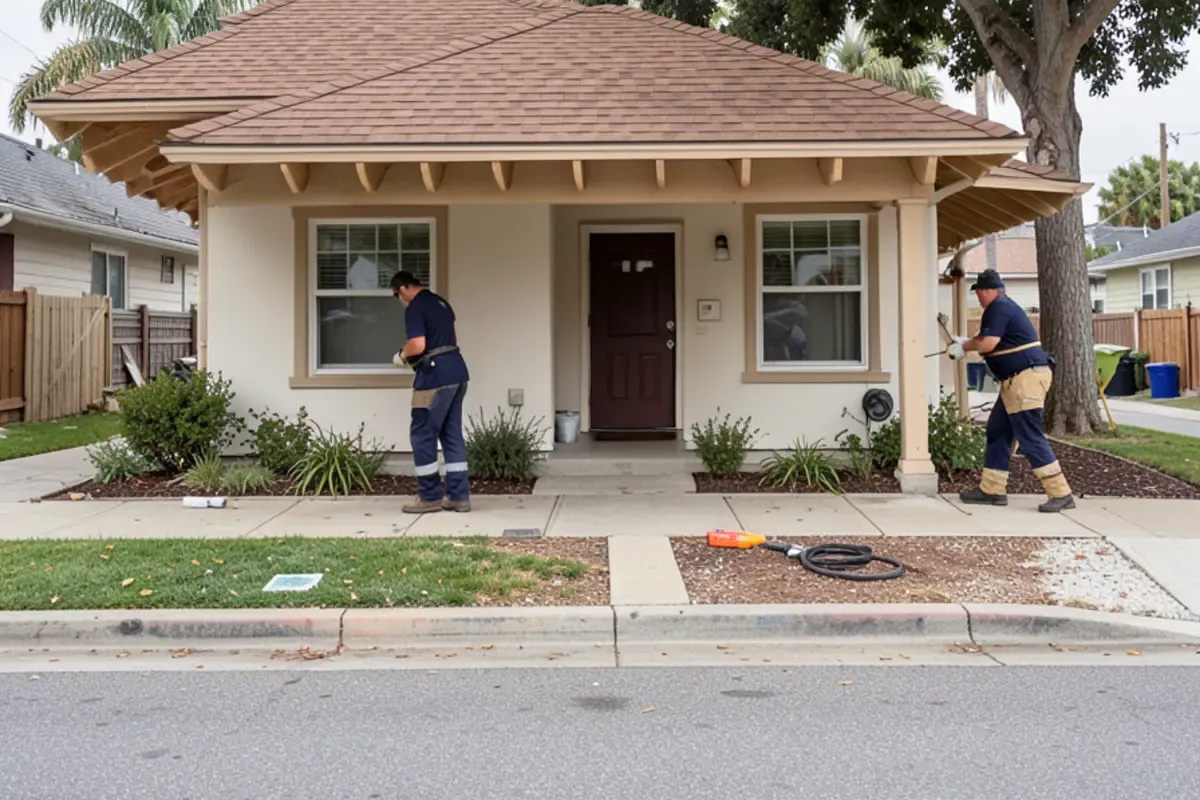
Planning a period-home re-roof in Long Beach
Call Long Beach Historic Preservation with your address and ask whether a COA applies. Then book a free roof inspection with Crown Trim Roofers. We will show you photos of what is on the roof, explain repair and replacement options in plain terms and help you prepare for the review.