
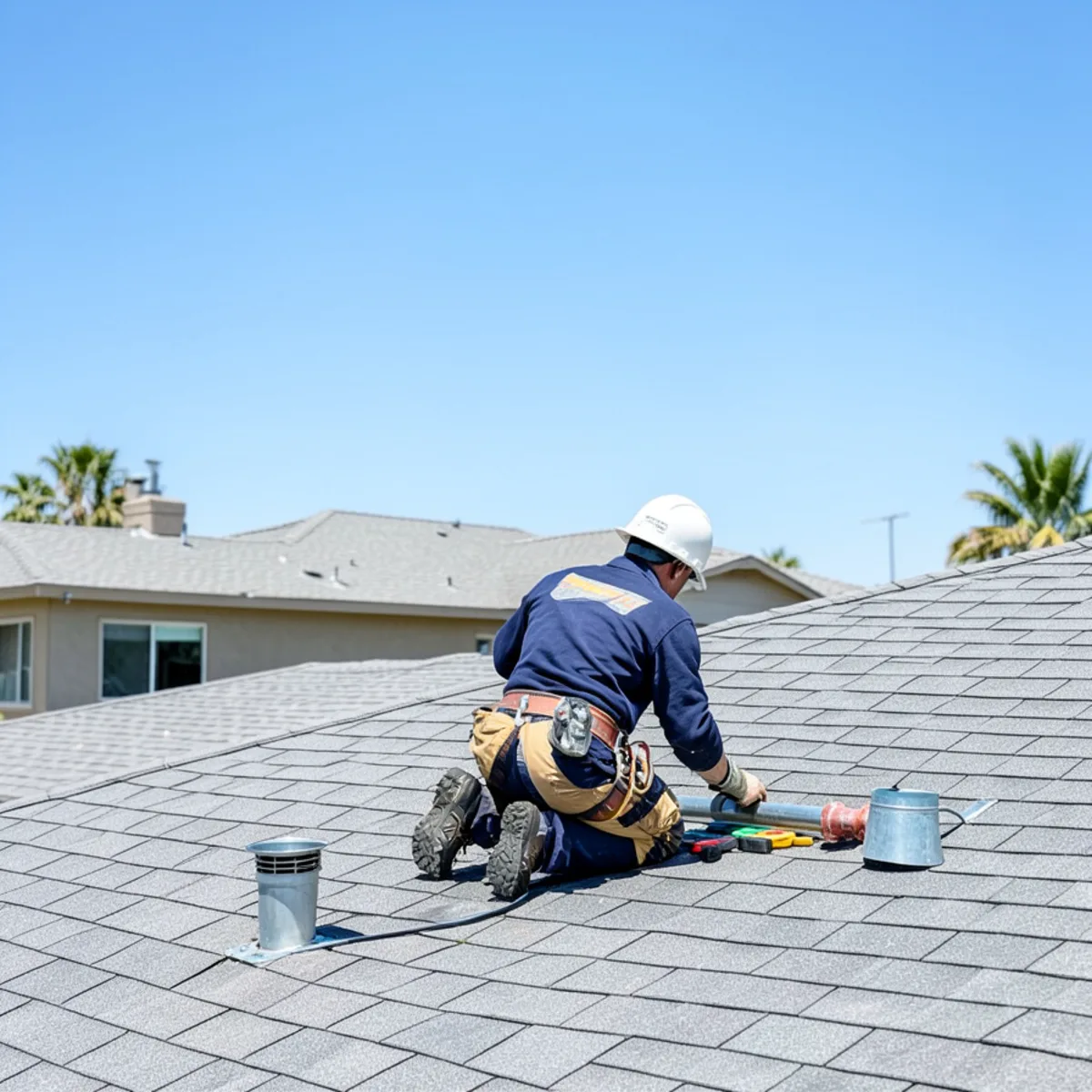
By the Crown Trim Roofers team · Published · Updated
A tune-up is the roofing version of an oil change. It costs a fraction of a replacement, and it targets the weak points that wear out long before the rest of the roof does. Our roof tune-up page describes the service, and the wider roof inspection and maintenance hub shows how it fits with inspections and cleaning.
What does a roof tune-up include?
The exact list depends on the roof, but a solid tune-up usually covers these items.
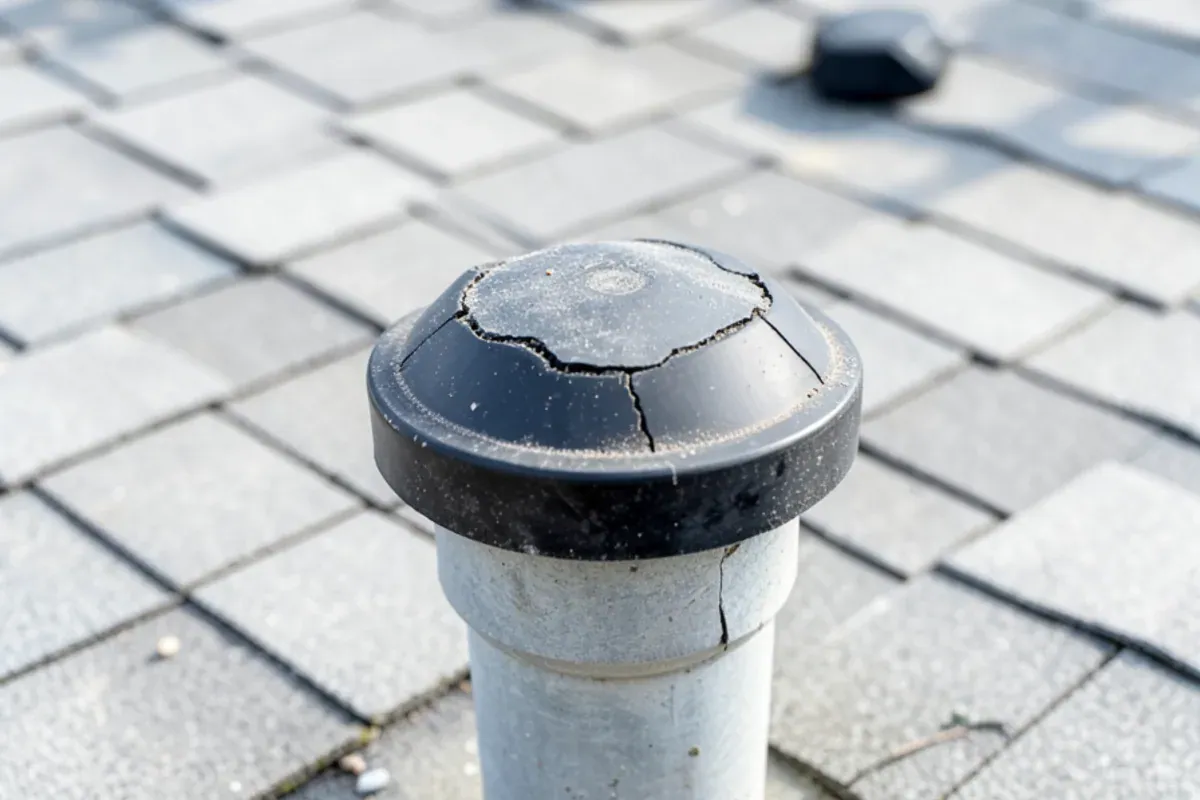
- Vent collars and pipe boots. Rubber collars around plumbing vents crack in the sun. A new collar or a metal-based boot seals the pipe again. Our post on why vent boots fail shows how this happens.
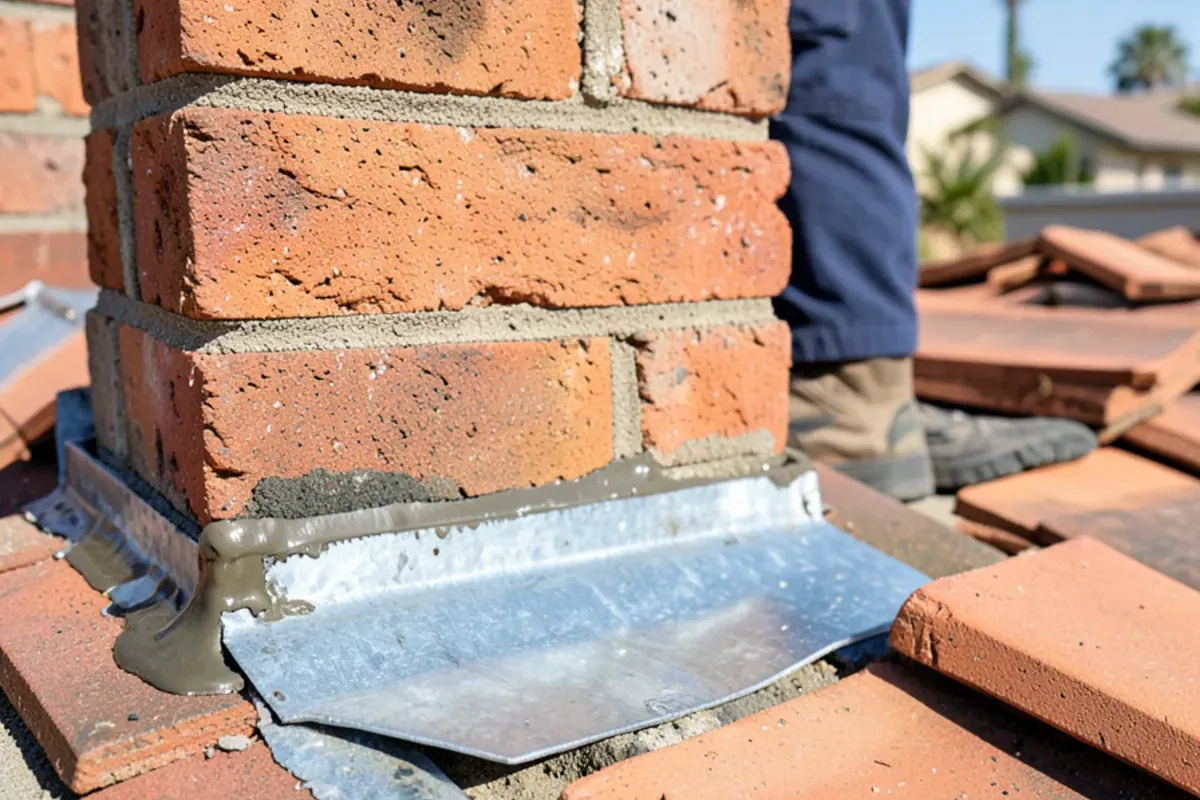
- Flashing. Metal at chimneys, walls, skylights and valleys is checked, re-lapped or re-sealed where needed.
- Sealant and exposed fasteners. Old caulk shrinks and splits. Nail heads that back out lift shingles and leak.
- Damaged or loose pieces. A few cracked shingles or tiles are replaced, and slipped tiles are reset.
- Chimney details. Caps, crickets and the joint between brick and metal.
- Gutters and drainage. Debris is cleared so water leaves the roof edge as intended.
- Photos and a short report. We show you photos of what we find and explain what we did.
One Google reviewer in Torrance described a visit that repaired both chimney areas, replaced several damaged S tiles and completed a full roof tune-up, sealing everything up well for the warm weather. Another said we explained their options clearly, including a small repair or a full tune-up.
What happens during a tune-up visit?
A tune-up follows the same order on most roofs, so you know what to expect when a crew arrives:
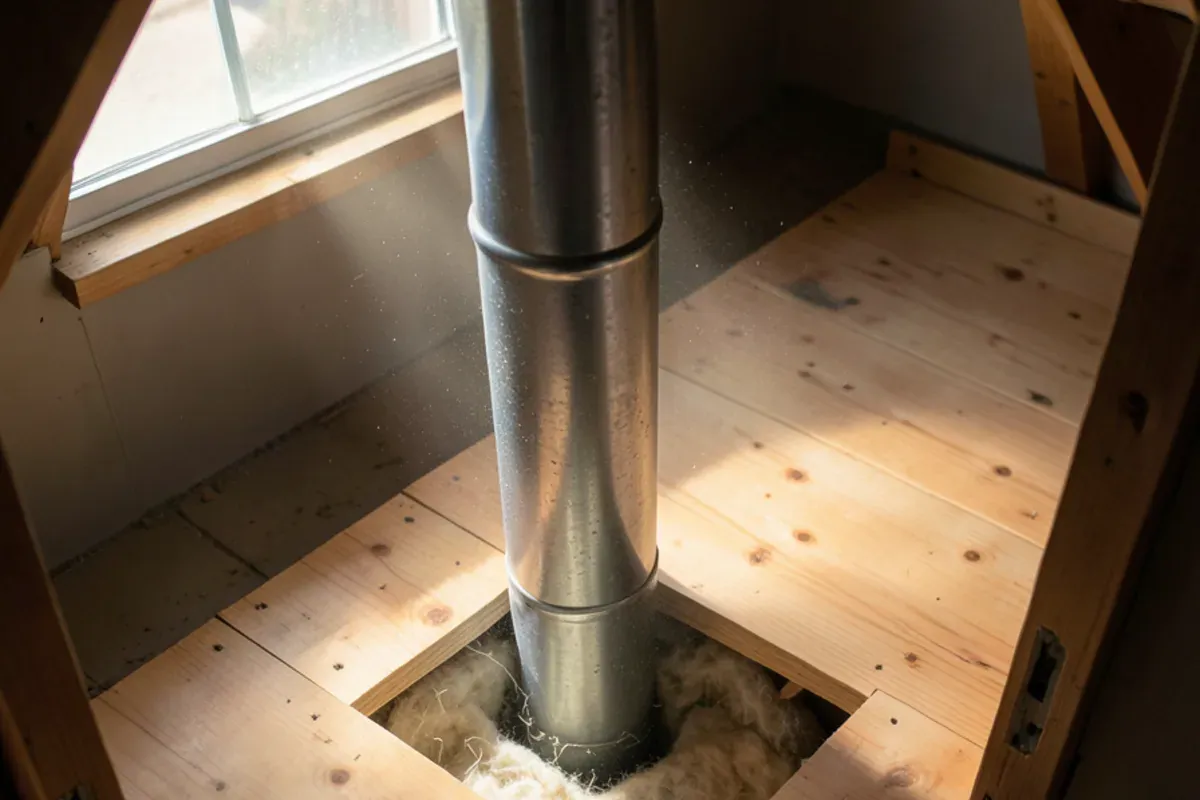
- A walkaround and attic check to note stains, damp insulation and trouble spots before anyone touches the roof.
- A full surface inspection with photos of every penetration, flashing joint and damaged piece.
- An estimate you approve before work starts, with each repair listed on its own line.
- Repairs in order from the highest leak risk down: vent collars, flashing and sealant first, then pieces to replace or reset.
- Gutter and valley clearing so water leaves the roof as designed.
- A closing walkthrough with photos of the finished work, and cleanup that protects landscaping and driveways.
When is a roof tune-up worth it?
A tune-up pays off when the roof surface is still in decent shape and the weak points are failing. Good candidates look like this:
- A roof in the middle of its typical range, with no widespread curling or bare patches.
- A small leak or a single stain, where the source is a known part such as a vent or flashing.
- A tile roof with a handful of slipped or cracked pieces.
- A roof that has not been looked at in several years.
- A home you plan to keep, where stopping slow damage matters.
The South Bay's sun is hard on rubber and sealant. Torrance sees only a few days a year over 90°F, yet the daily UV load still breaks down rubber collars and caulk. A tune-up resets those parts before water finds them.
How does a tune-up differ from an inspection, a repair or a replacement?
The terms overlap, so this table separates them.
| Service | What it does | Fits when |
|---|---|---|
| Inspection | Looks and reports, no repairs | You want to know the roof's condition |
| Tune-up | Several small, planned repairs in one visit | Roof surface is sound, weak points are aging |
| Repair | Fixes one known problem | A single leak or damaged area |
| Replacement | Removes and rebuilds the roof | Widespread wear, soft decking, repeat leaks |
A tune-up sits between a repair and a replacement. Its value is catching the next three failures along with the one you already know about.
When is a tune-up the wrong answer?
Be wary if the roof is near the end of its typical life, or if you see these signs:
- Shingles curling or cupping across large areas
- Heavy granule loss and exposed mat
- Soft, spongy or sagging decking
- Leaks in several unrelated places
- Brittle, cracked underlayment on a tile roof
In those cases, patching is money spent on a roof that cannot hold repairs. Our post on nine signs you need a new roof walks through the full list. We tell customers plainly when a tune-up is a stopgap, and we do not push a full replacement when a repair will do.
What does a tune-up cost, and what changes the price?
There is no flat rate, and we do not quote prices in a blog post. What moves the number:
- Roof size and pitch. More area and steeper slopes take more time and safety setup.
- Material. Tile work, such as resetting and matching pieces, differs from shingle work.
- Number of penetrations. Homes with many vents, skylights and chimneys have more parts to seal.
- Access. Tight lots, steep driveways and multiple stories add time.
- Hidden damage. Soft decking or rotted trim found during the visit adds scope.
For context only, 2026 published cost guides put typical roof repairs at roughly $300 to $1,500. That is market data, not a quote, and a tune-up that includes many small items can land in that range or beyond it. Ask about financing at your estimate if a larger scope comes up.
What does a tune-up cover on tile, shingle and flat roofs?
The checklist changes with the material. These are typical items, not a fixed scope.
- Shingle. Vent collars, flashing, exposed nail heads, lifted tabs, sealant at the chimney and cleared valleys.
- Tile. Slipped or cracked tiles reset or replaced, chimney and wall flashing resealed, mortar or bird-stops at the eave checked and the underlayment visible at gaps inspected.
- Flat or low-slope. Seams, drains, scuppers and flashing at walls checked, with ponding spots noted. Our flat roof repair page covers what comes after.
Tile roofs deserve extra caution because underlayment under the tile ages out before the tile does. A tune-up will not replace that layer. If the underlayment is brittle, we say so, show photos and talk through options. Our post on making a tile roof last covers that timeline.

How do you know the tune-up worked?
Give it one rainy season. Walk the house after the first moderate rain with a flashlight along the ceilings, and check the attic around each repaired vent, flashing joint and chimney. Dry decking and unchanged ceiling stains mean the repair held. A stain that grew means water is still getting in somewhere, and that is a call back, not a wait-and-see. Keep the photos from the visit so you can compare.
What do roofers look at that owners miss?
This is what we check and what we tell customers on a tune-up call:
- The pattern, not just the spot. A cracked vent boot on one side often means the others are close behind.
- What is under the visible damage. Water that has entered at a vent can stain decking even before a ceiling shows it.
- Matching. When a tile or shingle must be replaced, we match existing material as closely as we can and can bring shingle samples.
- Cleanup. We protect landscaping and driveways and leave the site clean.
If you want to see where your roof stands first, a roofing contractor in Torrance can give you a free estimate and walk you through the photos. Use the list above, call if anything on it looks wrong and put the work on the calendar before the rainy season starts.