
By the Crown Trim Roofers team · Published · Updated
Choosing a wildfire roof in California, and on the Palos Verdes Peninsula in particular, is a map question and a materials question. The map decides which rules apply to your parcel. The materials decide how well the house shrugs off embers. If you are planning a roof, our Class A fire-rated roofing page covers the service, and our roof replacement overview covers the project as a whole.
How does the fire hazard map affect a Peninsula roof?
CAL FIRE's State Fire Marshal maps hazard, not risk. The zones describe the kind of fuel, slope and fire behavior expected in an area over the long term, and they rank as Moderate, High or Very High. Cities in local responsibility areas then adopt the maps by ordinance, which ties them to building rules.
Two things changed recently. The state released updated maps in March 2025, the first full revision in many years. And Rancho Palos Verdes says the update removes large parts of the city from the Very High category that had covered nearly all of it since 2008. Palos Verdes Estates reports a mix of Moderate, High and Very High within its limits.
That mix is the point: two neighbors can fall in different zones. Do not rely on an old map or a neighbor's experience. Check your address on the state viewer and then confirm with the city. If you are in Rancho Palos Verdes, the Building and Safety Division publishes a re-roofing handout. If you are in Rolling Hills Estates, the city has asked for Planning Department zone clearance on reroofs, so ask what applies today.
What changed on the Rancho Palos Verdes map in 2025?
CAL FIRE released the recommended Local Responsibility Area maps on March 24, 2025. Rancho Palos Verdes reviewed them in staff reports dated June 17 and July 1, 2025, approved them with no changes and adopted them as Ordinance 691. The city says the updates take effect January 1, 2026, so the new map is the one in force now.
The city says a significant portion of Rancho Palos Verdes came out of the Very High zone it had held since 2008, and it adopted the new map by Ordinance 691, effective January 1, 2026. Mapped zones still decide where defensible-space standards and wildland-urban-interface building codes apply, so a parcel that moved down a category is not automatically free of rules.
Three practical points follow:
- A roof quote, insurance letter or listing written before 2026 may cite the old Very High designation. Ask for a fresh result from the state viewer.
- Rancho Palos Verdes's re-roof handout applies the Class A minimum to a designated fire zone, so confirm your address is designated on the new map before you pick a covering.
- Rolling Hills Estates and Palos Verdes Estates keep their own maps and ordinances. Do not carry a Rancho Palos Verdes answer into another city.
What is a Class A roof?
Roof coverings are rated Class A, B or C for fire resistance in standard tests. Class A is the highest rating. A roof assembly is more than the top layer: the underlayment, deck and covering together are tested, so the rating applies to a listed combination. Rancho Palos Verdes's handout states that in designated fire zones all roof coverings must be at least Class A and that wood shakes and wood shingles are not allowed.
Many of the common coverings can reach Class A in a listed assembly, including clay and concrete tile and many asphalt shingles. What matters is the label and the listing. Ask any roofer to show you the product's fire rating, and keep that paperwork.
What do ember-resistant vents do?
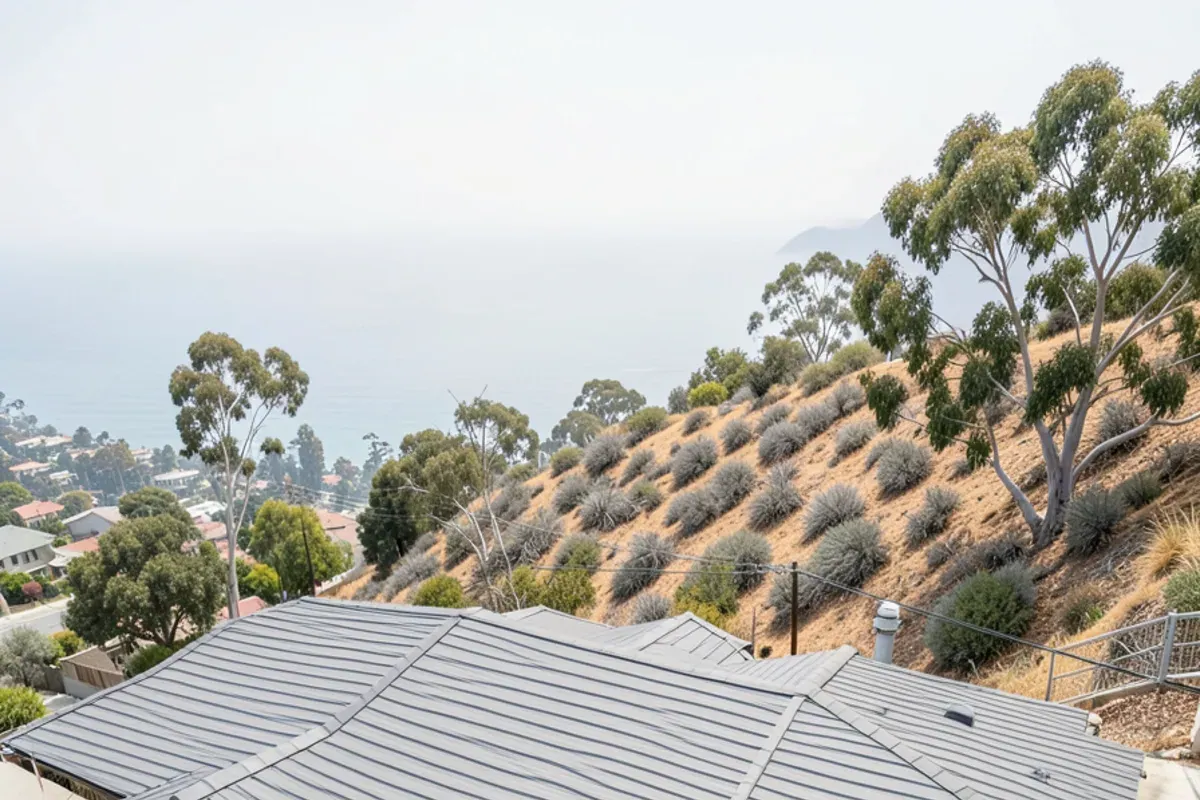
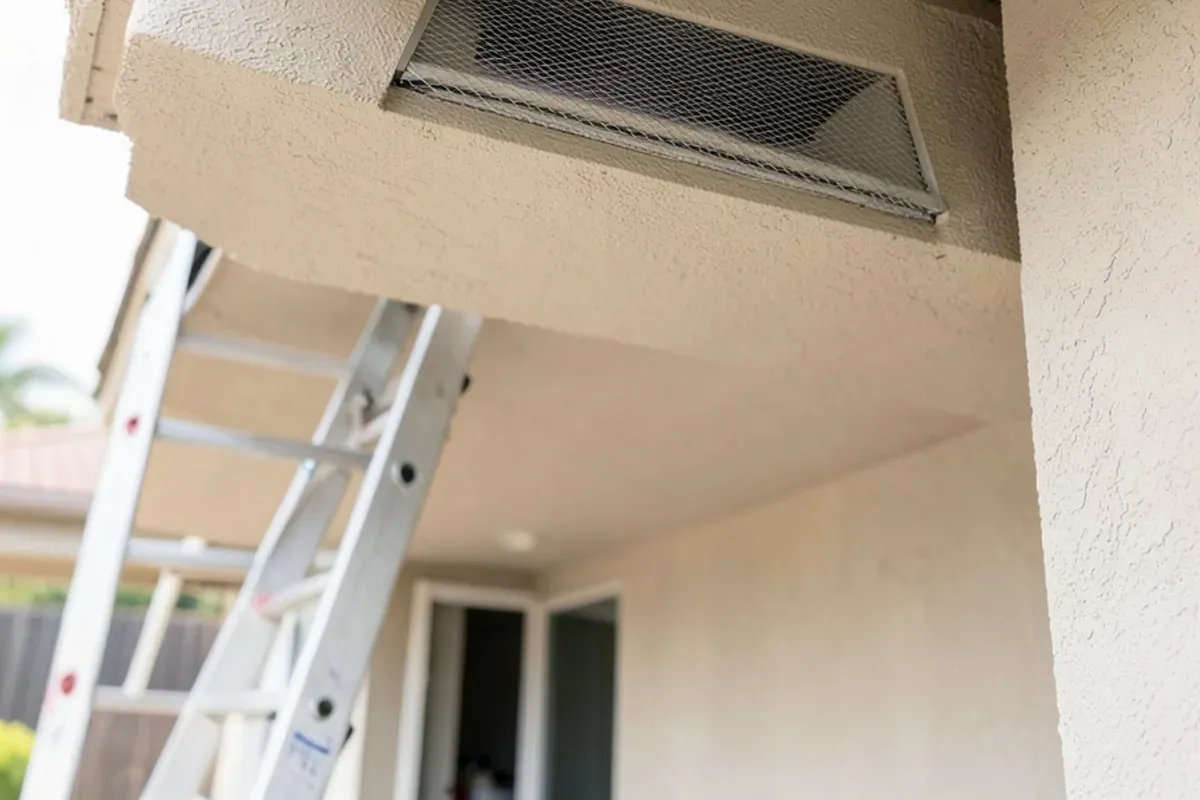
Embers are a major way homes ignite in a California wildfire, often well ahead of the flames. Embers get carried on the wind, land in gutters or against walls, and slip into attics through ordinary vents. Ember-resistant vents block that path.
Under California Building Code Chapter 7A, vents in wildland-urban interface areas have to meet defined requirements. The State Fire Marshal's bulletin says vents are to be listed to ASTM E2886 or an approved lab standard, and the older mesh-only exceptions have been narrowed. Because the code has changed more than once, ask your building department which version it enforces before you buy anything.
A re-roof is the natural time to deal with this. Roof vents, eave vents and gable vents are already being touched, and a vent that is replaced once costs less than one replaced twice.
What else belongs on a fire-hardened re-roof?
Think of it as a short list:
- Roof covering. A listed Class A assembly where required.
- Vents. Ember-resistant types at roof, eave and gable openings.
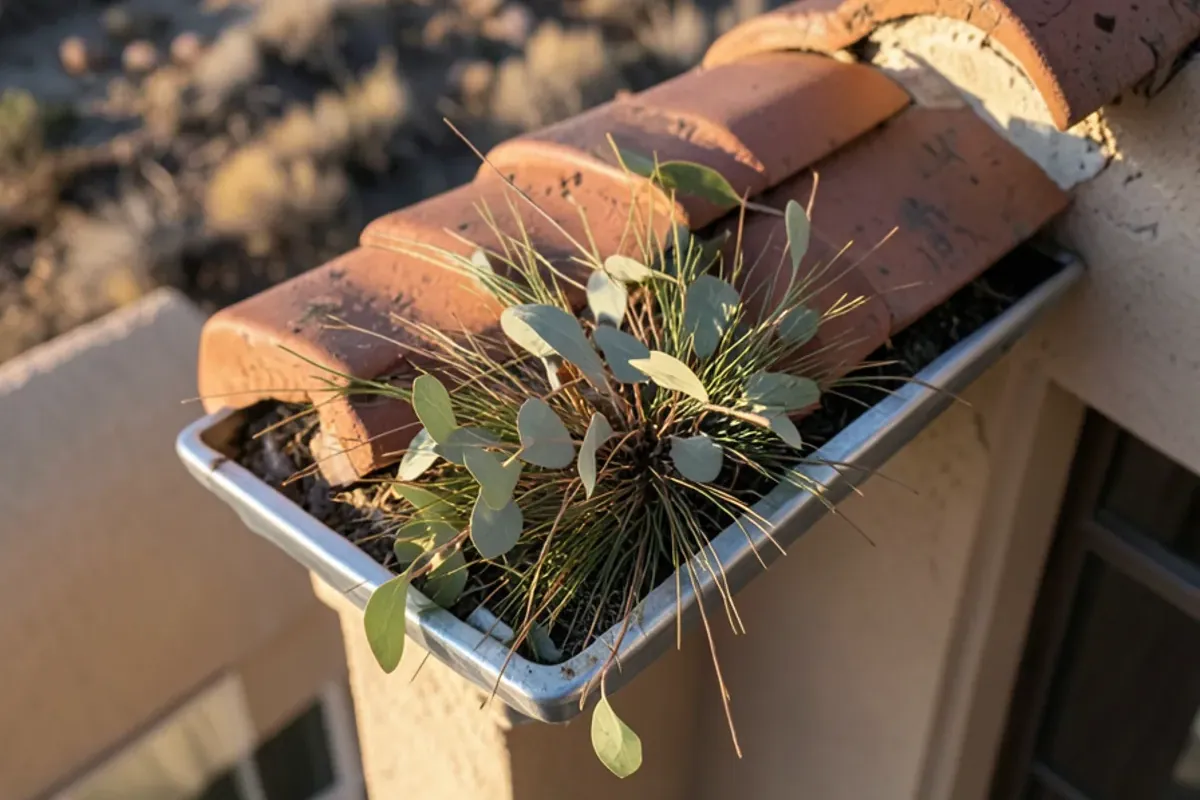
- Gutters. Debris in gutters burns. Keep them clean and consider metal.
- Flashing and edges. Gaps at the roof edge let embers in. Tight metal edges help.
- Roof-to-wall junctions. Debris collects here and needs regular clearing.
For a hillside roof, add the usual care: tile weight, steep access and wind exposure on ridgelines.
Who answers each fire-roof question?
| Question | Who answers it |
|---|---|
| Which fire zone is my parcel in? | The State Fire Marshal viewer, confirmed by your city |
| What roof rating does my city require? | City building department, using its adopted ordinance |
| Does this product meet Class A as an assembly? | The product listing, shown on its documentation |
| Must my vents be ember-resistant? | City building department, using the code version it enforces |
| Will my insurer credit the upgrade? | Your insurance agent or the California Department of Insurance |
What does this mean for homeowners insurance?
California's Safer from Wildfires framework requires insurers to give credit for certain mitigation steps, and the Department of Insurance has pointed to the non-combustible five-foot zone around structures. Roof upgrades are one of the items insurers can look at. Whether you get a discount, how much, and what proof is required all depend on your insurer.
Before you pay for anything, ask your insurance agent which documents they want, such as product listings and photos. We document what we install with photos and can be on site for an insurance adjuster's inspection, but we do not advise on coverage. For policy questions, the policyholder or the California Department of Insurance is the right contact.
How do Peninsula hillsides change a fire-rated re-roof?
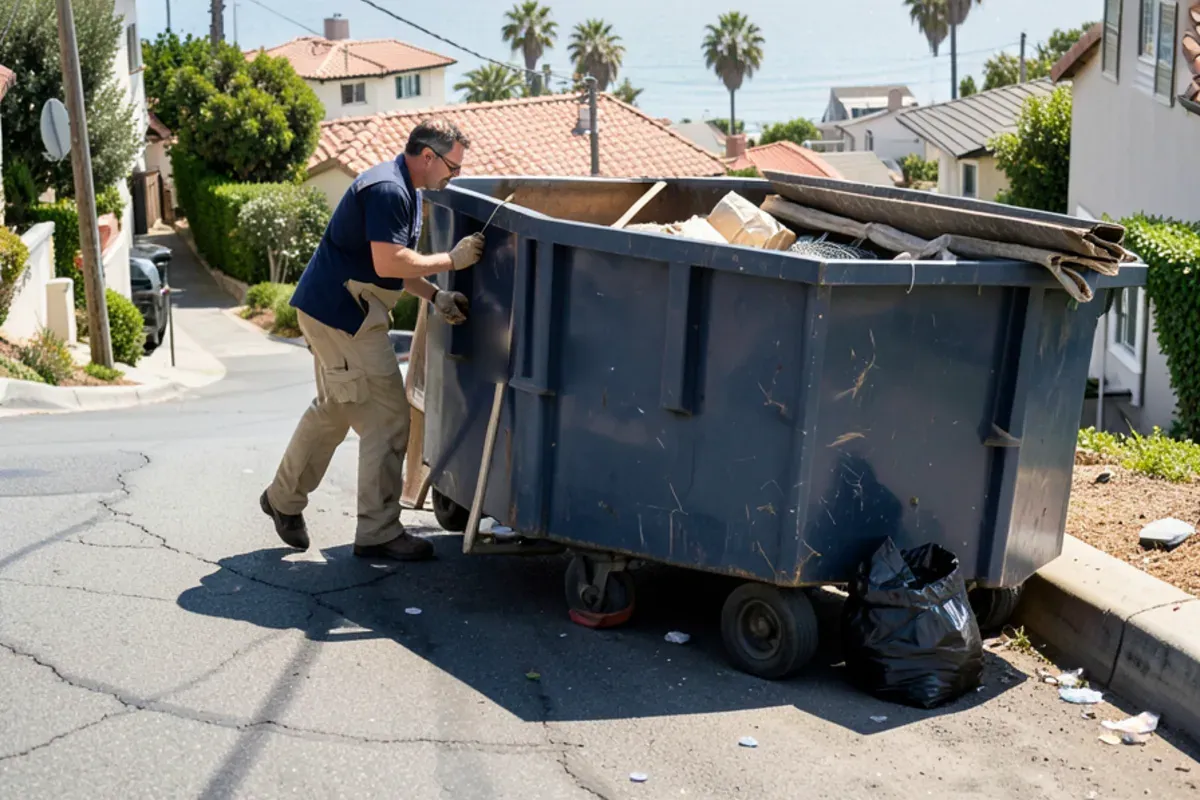
Terrain adds work that a flat lot does not have. Streets can be steep and narrow, so material delivery and dumpster placement need planning. Ridgeline homes take wind, which matters for ember travel and for loose edge metal. Where a lot backs onto open slope, gutters and roof-to-wall corners collect the most dry debris.
Weight is the other factor. Rancho Palos Verdes's re-roof handout calls for structural engineering when tile or other roofing is heavier than 6 pounds per square foot. A tile roof that stays tile may not trigger that, and a switch from shingle to tile might. Ask Building and Safety, (310) 544-5280, before you change materials. Our roof inspection page explains the attic and edge checks that show how the roof is holding up today.
What roofers tell customers about fire-rated roofs
Here is what we check and say:
- We ask where the house sits on the hazard map and whether the city requires a specific rating.
- We explain the difference between a covering with a Class A rating and a full listed assembly.
- We flag vents and gutters on the same walk-through, since they are cheap to fix during a re-roof.
- We tell you when a repair is enough. Not every Peninsula roof needs a full replacement.
- We bring shingle samples so you can see how a fire-rated material looks on your house.
Starting a fire-rated re-roof on the Peninsula
Look up your parcel, call your city's building office, and write down the rating they require. Then ask for a free roof inspection and estimate from Crown Trim Roofers. We will show you photos of the roof, explain your options in plain terms and handle permit details on the re-roof.
Sources
- CAL FIRE Office of the State Fire Marshal: Fire Hazard Severity Zones
- City of Palos Verdes Estates: Fire Hazard Severity Zone
- City of Rancho Palos Verdes: Re-roofing handout
- CALBO: New Chapter 7A building code changes
- California Department of Insurance
- City of Rancho Palos Verdes: Fire Hazard Severity Zone Updates
- City of Rancho Palos Verdes: 2025 FHSZ staff report