
Class A Fire-Rated Roofing in Torrance, CA
- 4.8★ from 73 Google reviews
- Free estimates
- Same day or next day service
- Photos of what we find
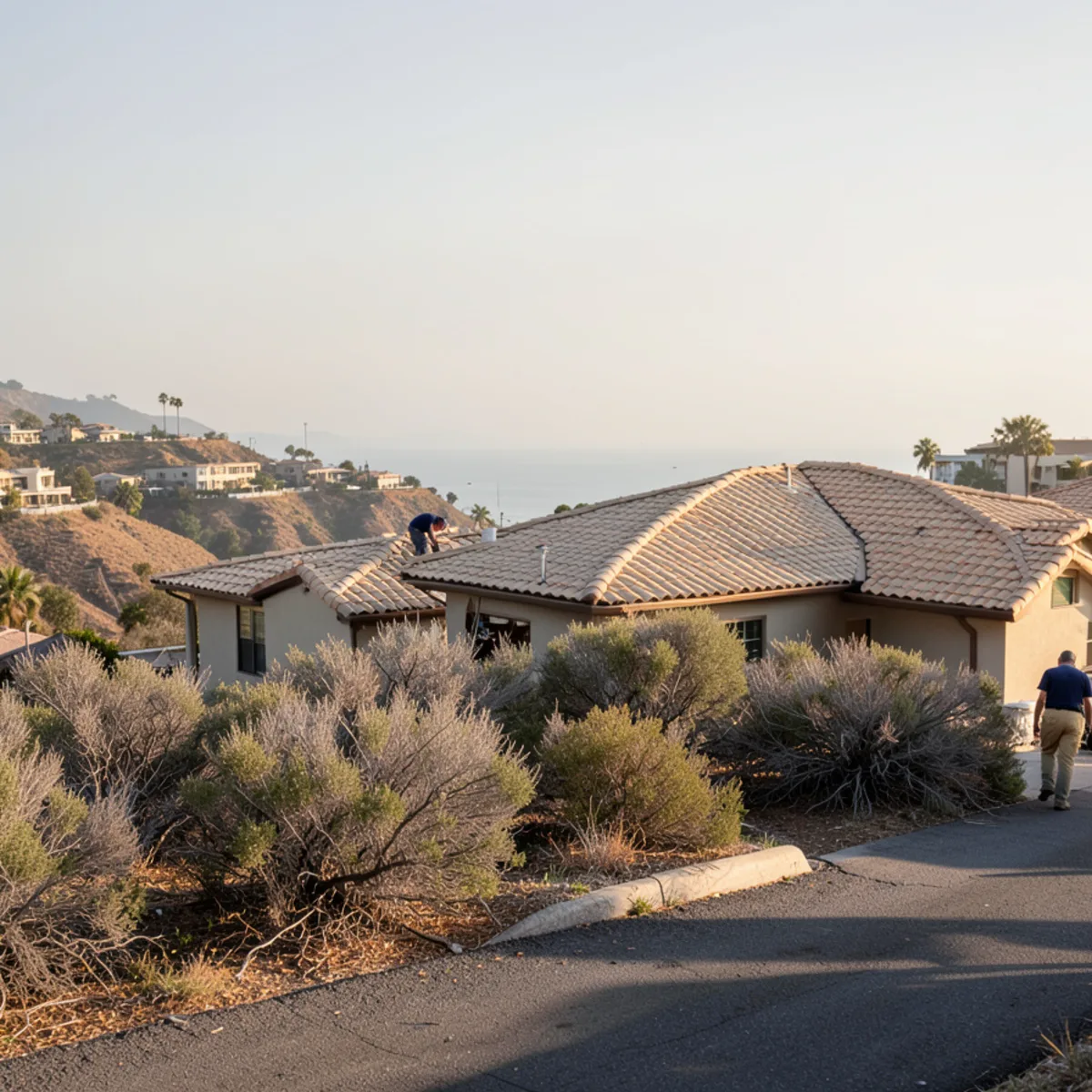
After the January 2025 fires in Los Angeles County, many homeowners started asking what actually protects a roof. The short version is that class a fire rated roofing in Los Angeles County is a combination of rated materials, closed-off gaps and ember-resistant vents. Whether you are planning roof replacement in a mapped zone or only want better protection, this page explains what the terms mean and what we check.
What is a Class A rated roof?
Roofs are tested by building up a full assembly and exposing it to flame and burning brands. Class A is the highest result. Class B and C allow more flame spread. The rating belongs to the assembly, which is why the underlayment under tile or shake can matter as much as the tile or shake.
Common Class A routes:
| Roof type | Typical path to Class A |
|---|---|
| Fiberglass asphalt shingle | Many shingles are Class A on their own; check the listing |
| Clay or concrete tile | Class A with proper underlayment and closures at eaves and ridge |
| Metal | Many panels qualify; the underlayment under them is part of the test |
| Treated wood shake | Needs extra layers or a rated underlayment to reach Class A |
We do not guess. We look up the exact product listing, then confirm the assembly we plan to install matches it.
Fire resistant roof on the Palos Verdes Peninsula
The Peninsula has steep canyons, dry coastal sage scrub and strong wind events, which together make some neighborhoods more exposed. Cal Fire publishes fire hazard severity zone maps, and parts of Rancho Palos Verdes, Palos Verdes Estates and Rolling Hills are mapped as high or very high. Each city runs its own building process, and Palos Verdes Estates also has design review for exterior changes. Confirm your zone and requirements with your city before you order materials. Our post on fire-rated roofs on the Palos Verdes Peninsula goes deeper on local specifics.
Torrance itself is mostly flat, and homes there are not automatically in the same position as hillside neighbors. We still see old wood-shake roofs on mid-century houses, and replacing them with a rated assembly is a common reason for a re-roof.
Which permits and building code rules apply, including Chapter 7A?
Chapter 7A is the part of the California Building Code that covers building in wildland-urban interface areas. For roofing, it asks for a Class A assembly in mapped zones, with attention to details embers can slip into: vents, eaves, ridges and gutters. It is a state code. The city that issues your permit decides how it applies to your address, so confirm with them. In Torrance that is City of Torrance Building & Safety at (310) 618-5910. The Peninsula cities and unincorporated county areas each have their own permit route, and Cal Fire's published maps show which parts of the area are mapped. Ask the permit office for the written requirement, and keep the product listing for the roof assembly in your file after the job. The Contractors State License Board lets you check any roofer's license and classification before you sign.
Which homes need a Class A roof first?
Some homes have an obvious reason. Others have one you cannot see from the curb:
- Wood shake or shake-look roofs, especially old ones with curled or split pieces
- Hillside or canyon-edge lots with brush close to the house
- Attics with open or screen-only vents
- Plastic skylights, vinyl gutters or tile with gaps beneath the eaves
- A roof that is being replaced anyway, since the assembly is easier to build right while the deck is open than to fix afterward
Ember-resistant roofing: the weak points
Embers do not need a flame front to start a fire. Wind carries them over long distances, and they settle where the roof is open. These are the places we look:
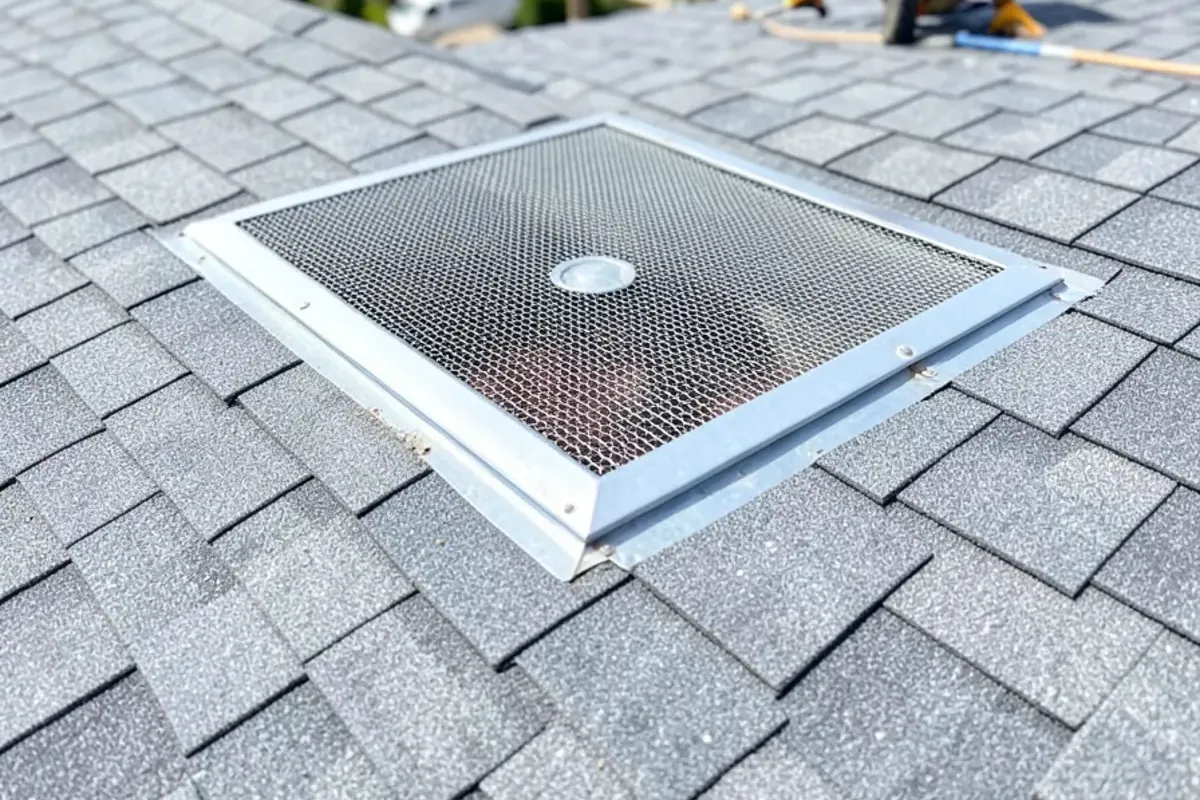
- Attic vents. Ember-resistant, tested vent designs keep embers out while still ventilating.
- Tile eaves and ridges. Bird stops and closures fill gaps beneath the tile.
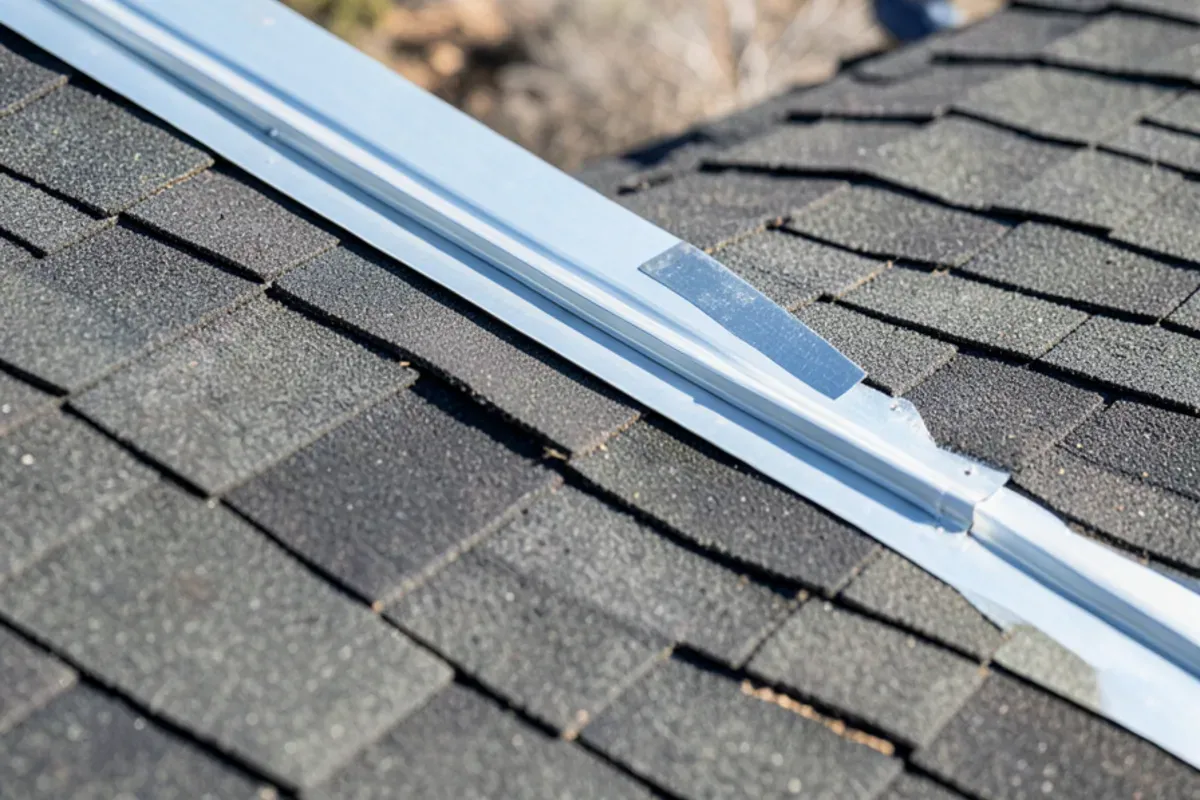
- Valleys and roof-to-wall joints. Embers collect where debris does. Metal flashing resists them.
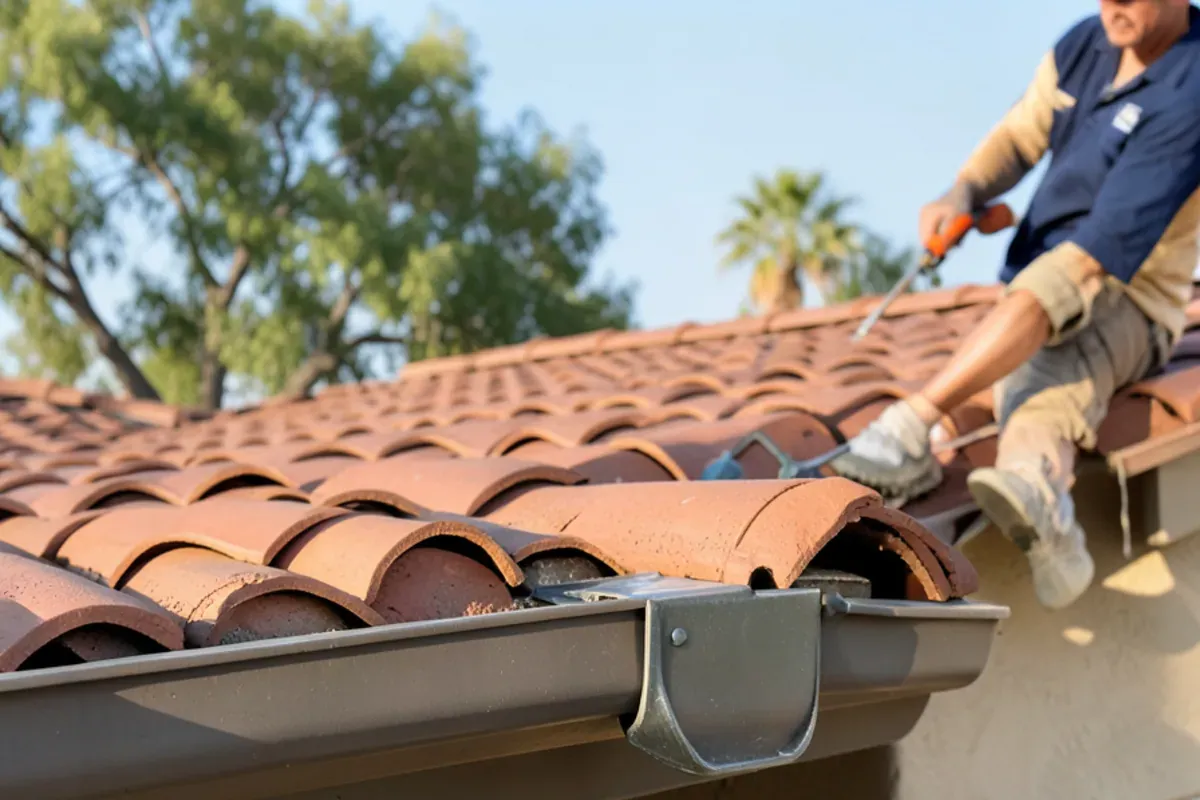
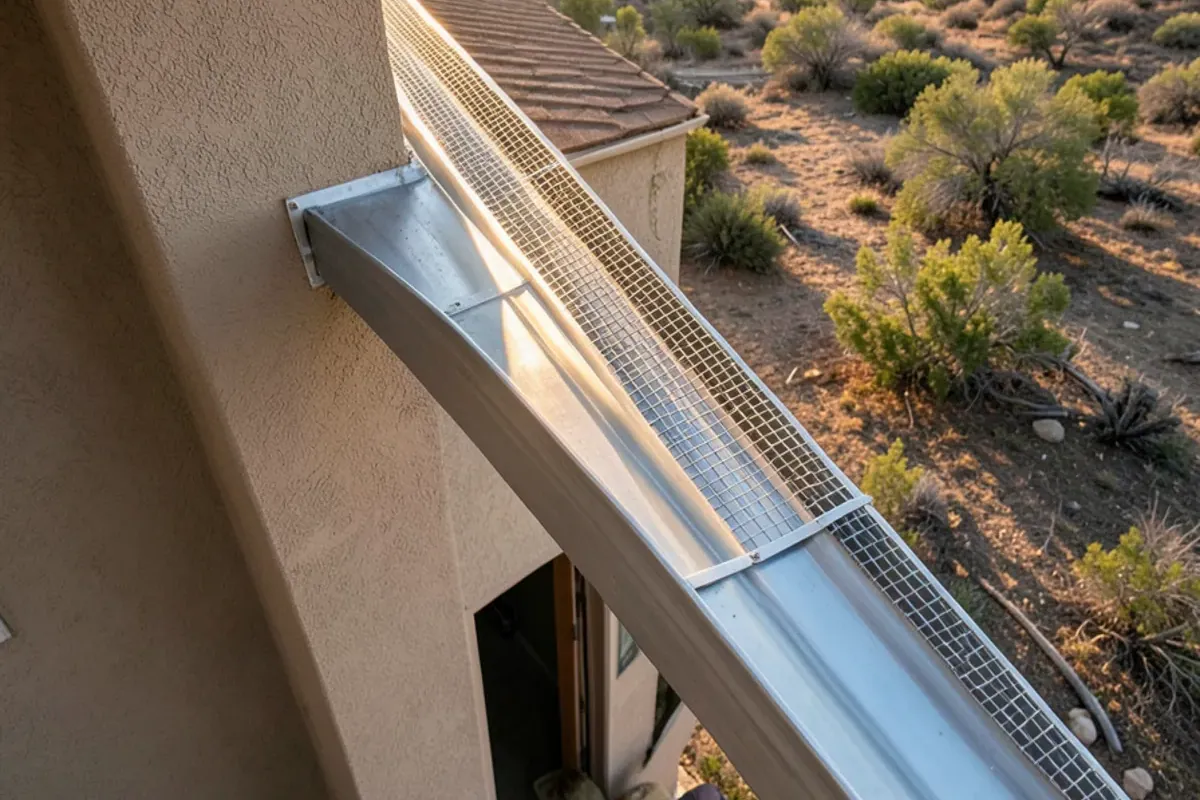
- Gutters. Leaves in a plastic or vinyl gutter can feed a flame at the roof edge. See gutter cleaning.
- Skylights. Plastic domes can fail where glass or rated units hold up. Ask about skylight replacement if yours is old.
What does a fire-rated roofing job include?
A Class A job covers more than the field of the roof. The rating belongs to the whole assembly, so the scope starts at the gutter and ends at the ridge. For a hillside home near the Peninsula canyons, that usually means rated roofing, the underlayment tested with it, and every opening embers could reach. For a mid-century Torrance house with an old shake roof, it often means replacing the shake and the vents together, so one weak part does not undo the rest. We look up the product listing for each layer and write the assembly into the estimate, so the permit office and your file show the same thing. A typical scope has:
- A Class A shingle, tile or metal assembly matched to the listing
- Underlayment and flashing that belong to that assembly
- Ember-resistant attic vents in place of open or screen-only ones
- Closures or bird stops at tile eaves and ridges
- Metal gutter screens and rated skylights where yours are plastic
- Permit details handled on re-roofs
How a Class A roof is installed, step by step
- Inspect. We photograph the roof, attic vents, eaves and gutters.
- Check the zone. You confirm the Cal Fire map and city rules, and we handle permit details on re-roofs.
- Choose the assembly. We show you rated shingle, tile or metal samples and the matching underlayment.
- Tear off to the deck, protecting landscaping and driveways, then repair any damaged boards.
- Install underlayment, flashing, rated vents, closures and roofing as one assembly.
- Clean up thoroughly and walk through the work with you.
What affects the cost of a fire-rated roof?
We give free estimates and do not post prices. For context only, one published listing (Homeyou, 7,210 projects, 2026) puts the average Torrance roof replacement at about $7,202 to $8,183. That is market data, not our quote, and hillside homes can differ. What moves a fire-rated roof price:
- Roof material and how much of it a Class A assembly needs
- Number of vents, eave closures and skylights
- Steep slopes, narrow access roads and difficult material staging
- Layers to remove and deck repairs
- Gutter and trim work around the roof edge
For help spreading out a larger job, see roof financing. A clean roof tear-off is also the point at which a fire-rated roof gets built correctly.
Why Crown Trim for fire-rated roofing?
- Reviewers rate us 4.8 stars across 73 Google reviews.
- Free estimates and roof inspections, with same day or next day service.
- You see photos of what we find and we explain options in plain terms.
- We handle permit details on re-roofs and match existing tile and shingles as closely as we can.
- We protect landscaping and driveways and clean up thoroughly.
We drive to homes across the South Bay and Peninsula, including Carson, Redondo Beach and Rancho Palos Verdes.
Where we do class a fire-rated roofing around Torrance
Each place brings its own version of this job.
- Rancho Palos Verdes: Canyons, dry coastal sage scrub and constant marine wind make parts of the city mapped hazard areas, so vents, eaves and the roof assembly are checked as one system.
- Palos Verdes Estates: Red clay tile can reach Class A with the right underlayment and eave closures, and the Art Jury reviews visible exterior changes.
- Rolling Hills: A gated city of ranch homes on acre-plus lots, where fire-hazard zoning, long roof runs and detached outbuildings shape every re-roof.
- Yorba Linda: Hillside tile tracts along Chino Hills State Park, scene of the 2008 Freeway Complex Fire, where Class A assemblies and ember-resistant vents come up.
- Malibu: After the Woolsey and Palisades fires, rebuilds and Class A roofs with ember-resistant vents are the defining local need.
- Topanga: Canyon homes on narrow roads with heavy brush face serious ember exposure, so vents, gutters and eaves matter as much as the covering.
- La Cañada Flintridge: Foothill estate homes under heavy tree canopy sit in mapped fire-hazard zones, where leaf buildup in valleys and gutters is part of the risk.
- La Habra Heights: Large hillside lots with avocado trees and brush-fire exposure, plus long driveways that affect material delivery.
- Bradbury: Estate lots under the San Gabriels in a gated foothill enclave, where large roofs and brush slopes make fire-rated assemblies worth asking about.
- Glendora: Newer tracts sit below brush-covered slopes, so a Class A roof and ember-resistant details matter along the foothill edge.
What customers say about this work
Crown Trim Roofers holds 4.8 stars from 73 Google reviews. Read all reviews
“they explained roofing materials in simple terms, shared shingle samples, and answered all of our questions right away, which made the whole roof replacement process easy to understand.”
“The workmanship was excellent, the cleanup was thorough, and the new roof looks beautiful on our home.”
“He quickly organized every part of the roofing project, from handling permit details to tearing off the old worn shingles, fixing leaks, replacing damaged boards, and correcting a sagging section of the roof deck.”
Class A Fire-Rated Roofing: common questions
What makes a roof Class A rated in California?
Class A is the top fire-resistance rating, earned when a complete roof assembly passes standardized fire tests for flame spread and burning brands. The rating applies to the assembly, meaning covering plus underlayment, not just the top layer. Many fiberglass asphalt shingles, clay and concrete tile and metal assemblies qualify. Always check the product listing for the exact assembly.
Does the Palos Verdes Peninsula have special fire-zone roofing rules?
Parts of the Peninsula are mapped by Cal Fire as high or very high fire hazard severity zones, and those areas follow California Building Code Chapter 7A, which sets Class A roofing and ember-resistant details. Rancho Palos Verdes, Palos Verdes Estates and Rolling Hills each run their own building process, so confirm your zone and requirements with your city.
Do roof vents matter as much as the roof covering in a wildfire?
Yes. Embers blown by wind are a main way homes ignite, and open vents give them a path into the attic. Chapter 7A sets requirements for vents in mapped zones. A Class A roof with ordinary open vents leaves a weak point. We look at attic vents, eave closures and ridge details together with the covering.
Is my Torrance home in a very high fire hazard severity zone?
Do not guess. Cal Fire publishes fire hazard severity zone maps, and your city or county building department can confirm your address. Flat neighborhoods and hillside edges can differ a lot. Even outside a mapped zone, a Class A assembly is a sensible option for many roofs. Call us and we can talk through the roof, then you check the map.
Can wood shake or old shingles be replaced with a Class A roof?
Yes. Wood shake roofs are a fire concern in mapped zones, and many homeowners replace them with Class A shingles, tile or metal that give a similar look. Fire-treated shakes may still need extra layers to reach Class A. Ask us at the estimate, and we explain the options in plain terms with samples.
Do I need to change gutters or eaves for a fire-rated roof?
Sometimes. Embers collect in gutters full of leaves, and open eaves can let them reach the attic. In mapped zones, rules cover gutter materials, eave closures and vents. We look at those parts during the inspection. See our gutter guards page for ways to keep debris out.
Related services and guides
Roof Financing
Roof Tear-Off & Removal
Fire-Rated Roofs on the Palos Verdes Peninsula
Roof Replacement Cost in Torrance: What Drives the Price
What Tile Roof Underlayment Replacement Costs and Why
Where we work: Carson, Redondo Beach, Rancho Palos Verdes, Gardena and the rest of our service areas.
Hillside home? Ask what fire-zone rules apply to your roof.
Call first. A roofer picks it up from there.