
By the Crown Trim Roofers team · Published · Updated
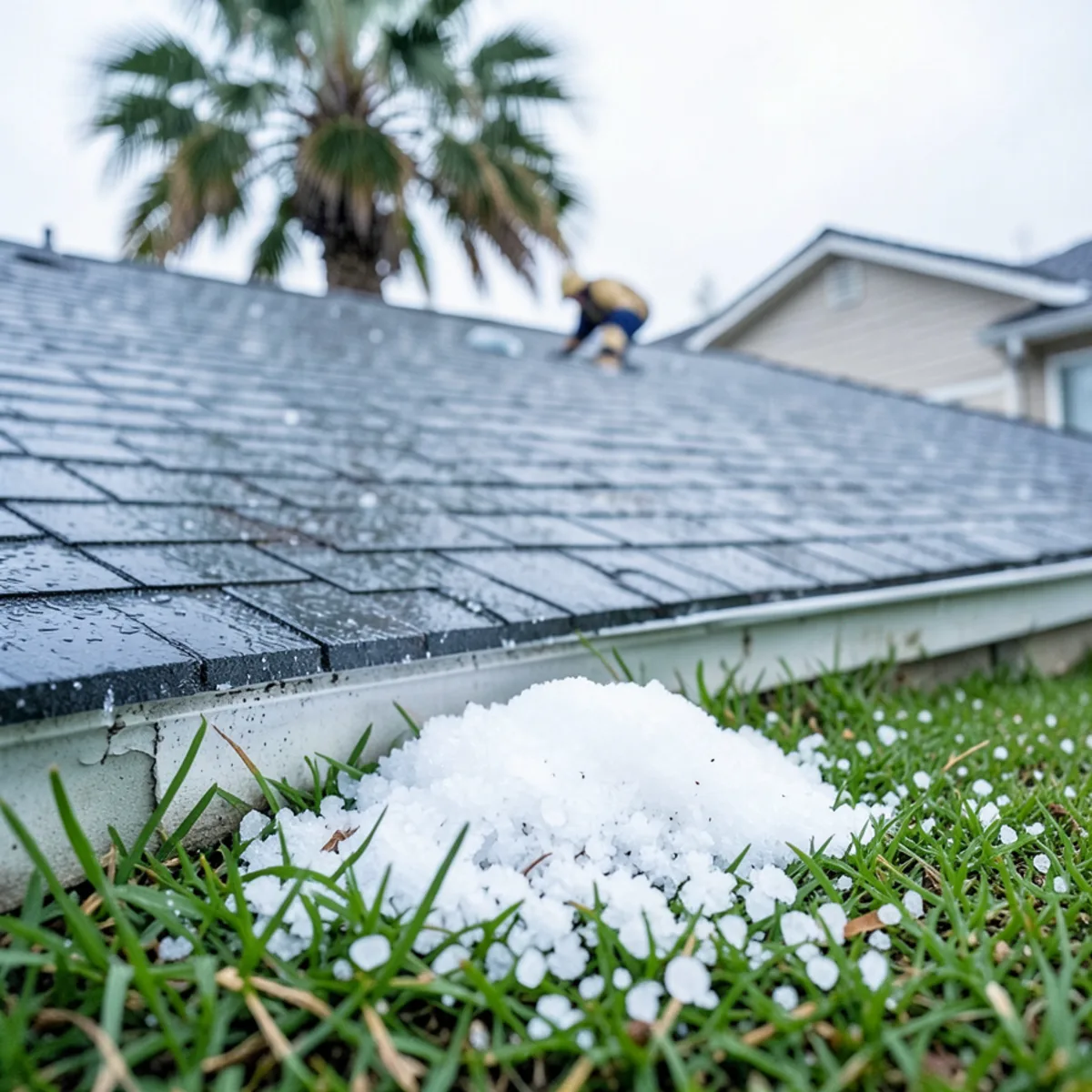
Hail is a Midwest word. In the South Bay it shows up a few times in some winters, rattles on roofs for a minute and melts. People rarely think of it again, and neither do their roofs. The bruises, though, stay on the shingles long after the ice is gone. If you suspect hail, our hail damage roof repair page describes the inspection, and the emergency roof repair hub covers other storm problems.
Does it hail in Torrance and the rest of Los Angeles?
Yes, occasionally. Winter systems with cold air aloft can drop small hail on the coast and across the basin. Storms like that are brief and local, so your street may get stones while the next one stays dry. Most reports describe small stones.
For a record of whether hail was reported near your address on a particular day, the NOAA Storm Events Database lists reports by date and location. That is useful if you ever file a claim and need to show the date.
What does real hail damage look like?
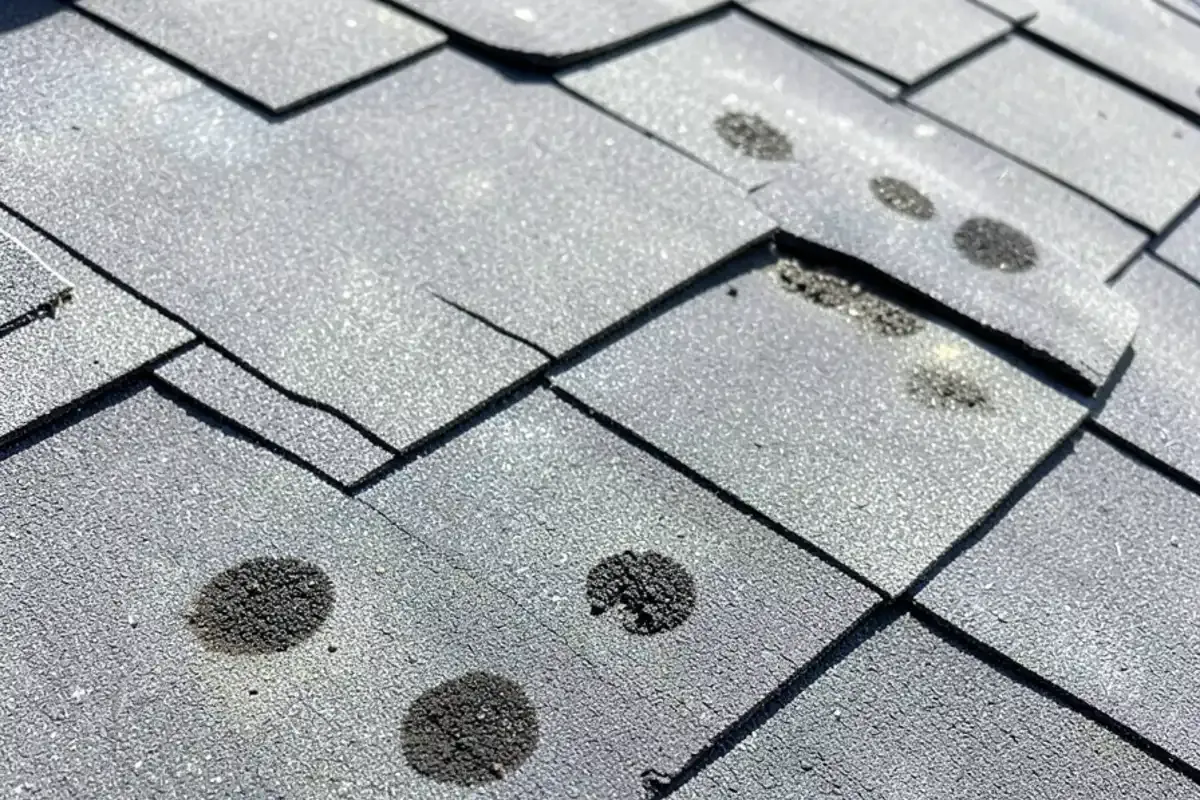
On asphalt shingles, hail leaves round bruises. Granules are knocked loose, exposing dark asphalt, and the spot may feel soft or give slightly under a gloved finger. The pattern is scattered, with hits on every slope that faces the storm.
Clues that confirm hail:
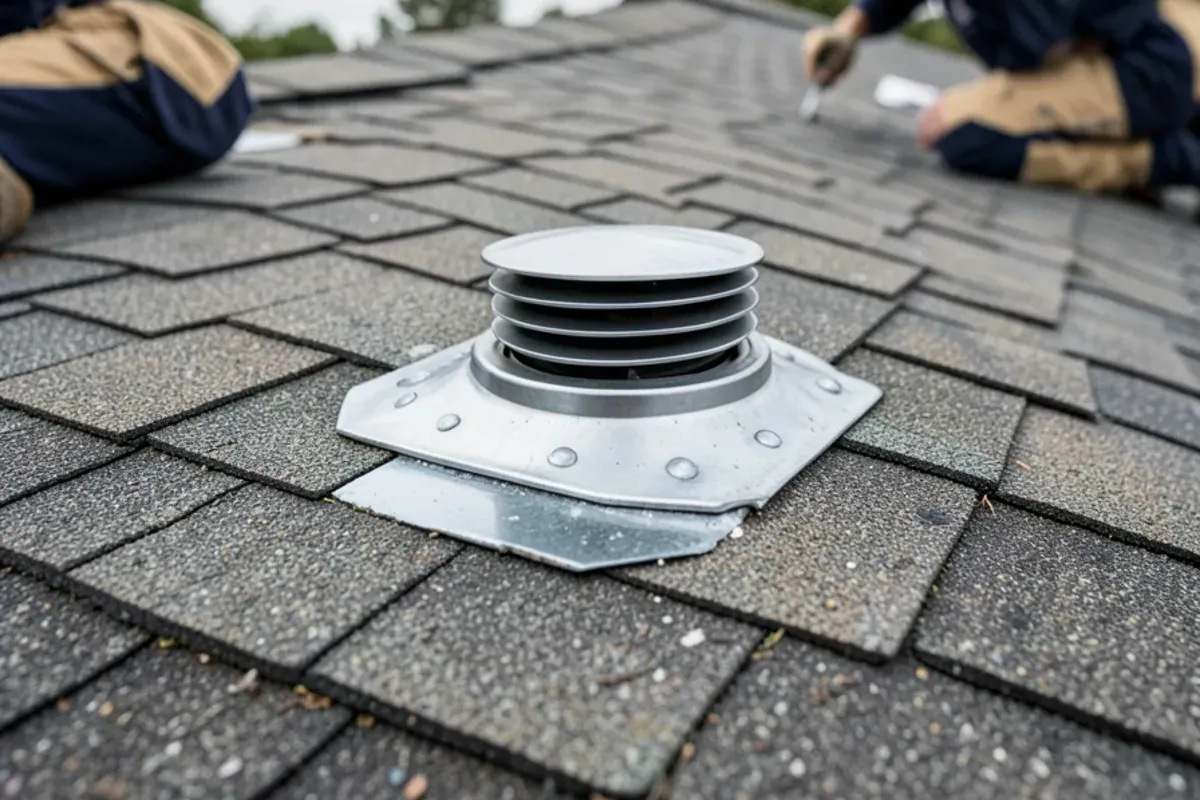
- Dents on soft metal. Roof vents, flashing, gutters, AC condensers and window screens record hail well.
- Random placement. Marks are not lined up with nails, seams or the sun's path.
- Bruises with a fractured mat. Press gently and the shingle can feel cracked beneath the surface.
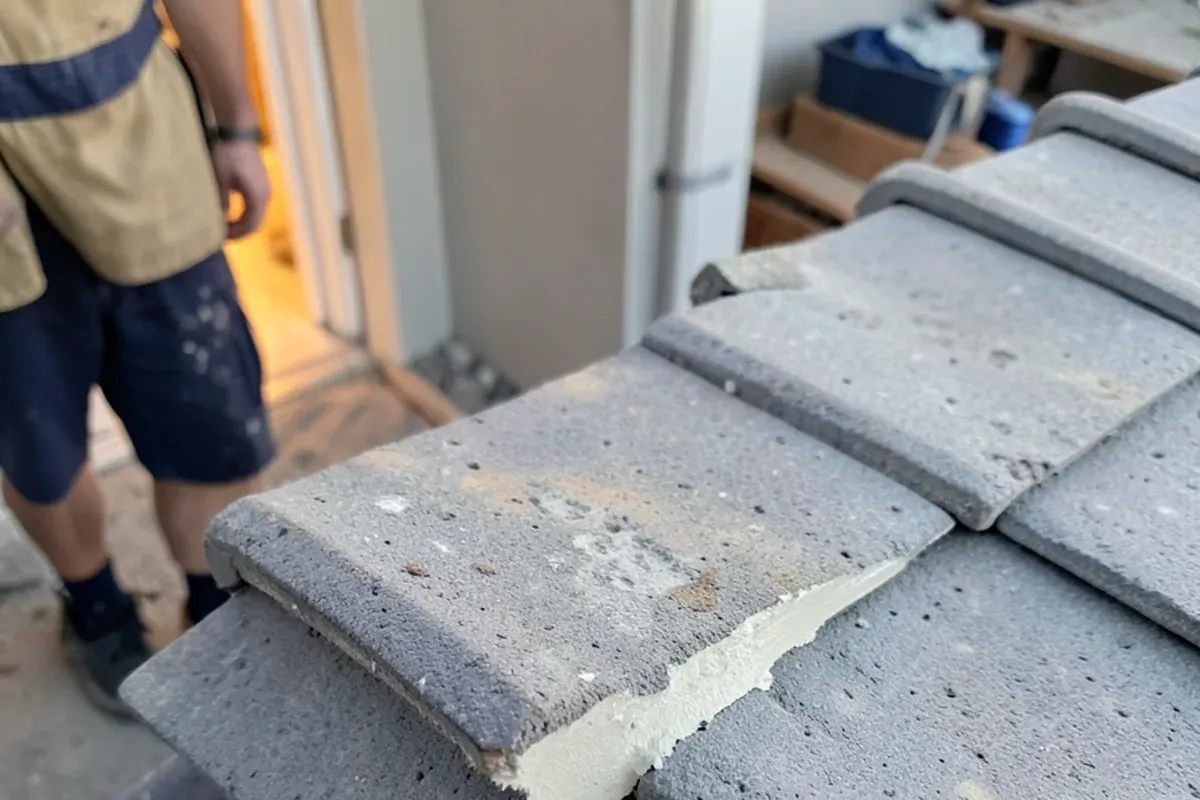
- Cracked or chipped tile. Hail can crack aged concrete or clay tile, especially at the edges.
Marks that look like hail but are not:
| Looks like hail | Usually actually |
|---|---|
| Granule patches along one edge | Normal aging or foot traffic |
| Dark streaks | Algae or debris stains |
| Blisters or craters from manufacturing | Shingle defects, not impact |
| Lines of missing granules | Rubbing from branches |
How big does hail have to be to hurt a roof?
Research from the Insurance Institute for Business & Home Safety commonly puts the start of functional damage on asphalt shingles at around one inch across. Roofs in good condition handle smaller stones. Old, dry shingles are different. Brittle mats crack more easily, and a roof near the end of its life can show bruising from smaller hail.
That matters here. Torrance's median home was built in 1964 and 82.3 percent of homes predate 1980, so many South Bay roofs have been re-covered at least once and carry decades of sun wear. The size of the stones is one factor, and the age of the roof is the other.
How does hail affect different roof types?
| Roof type | What hail tends to do | What to look at |
|---|---|---|
| Asphalt shingle | Bruises, granule loss, cracked mat | Round soft spots, granules in downspouts |
| Concrete or clay tile | Chipped corners, cracked tile | Fresh, pale fractures and chipped corners |
| Metal | Dents, finish chips | Panel ribs and flashing, where cosmetic dents can sit beside real finish damage |
| Flat or low-slope | Punctures or bruises in the surface layer | Soft spots, exposed fabric, blistering near edges |
| Skylights | Cracked acrylic domes, damaged seals | Hairline cracks, fogging between layers |
Dents on a metal roof are often cosmetic, but a chipped finish or a cracked seam is not. A roofer sorts those out up close.
How do you document a hailstorm while it is happening?
Hail melts, so the record has to be made fast. If it is safe, photograph the stones on a flat surface with a coin beside them for scale, and take a short video of them bouncing on the patio or hood of a car. Note the time and how long it lasted. Afterward, photograph window screens, patio furniture, the AC condenser fins and any soft metal that shows dents.
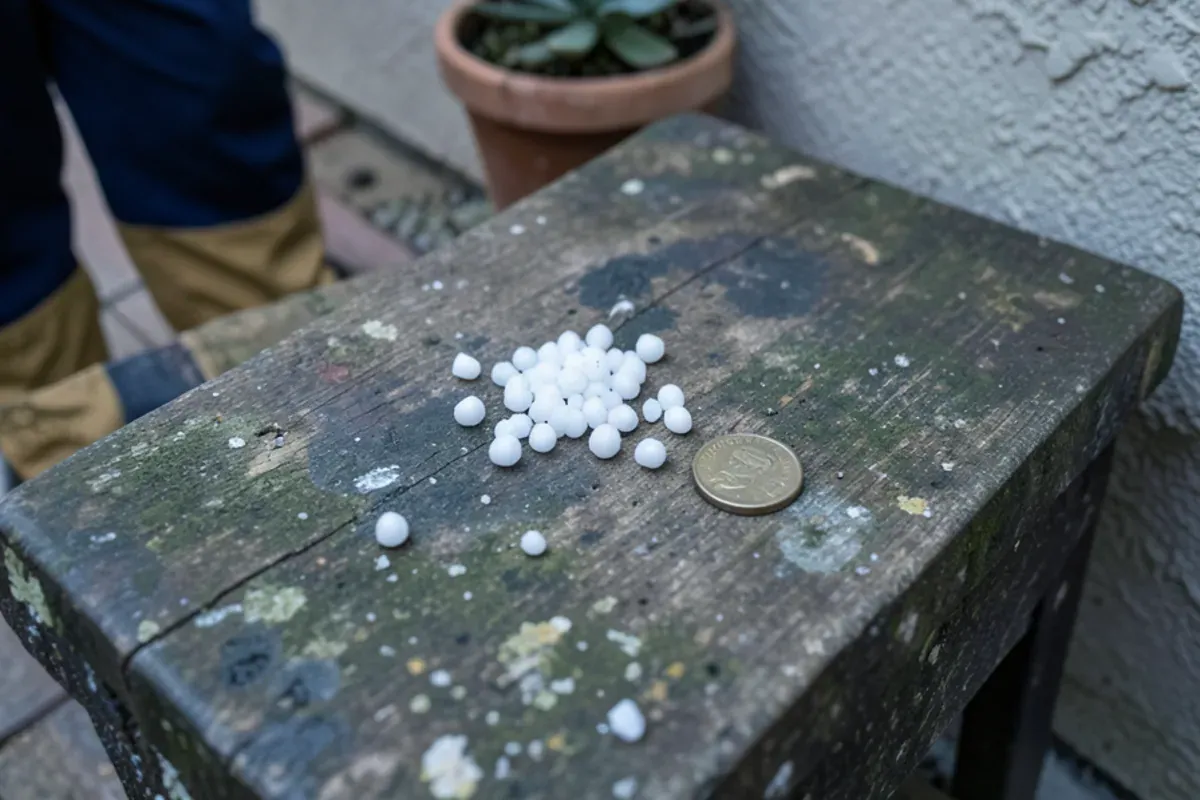
That same-day record is worth more than any later argument about when the damage happened. It also helps a roofer decide whether the marks match the storm or came from something else.
How do you check for hail damage from the ground?
Stay off the roof. Wet tile and shingles are slick, and foot traffic can hide or cause damage.
- Check soft metal first: vents, flashing, gutters, downspouts, the AC unit and any metal fence caps.
- Look at the gutters and downspout outlets for granules, which look like coarse sand.
- Use binoculars on the roof surface for round dark patches or chipped tile.
- Photograph with a coin or ruler next to any dent to show scale.
- Note the date, the weather and where the hail fell.
If the soft metal shows hits, the roof likely has them too.
What roofers look for after hail
This is what we examine on an inspection and what we tell customers:
- Test squares. A roofer checks defined sections of each slope for hit density and condition.
- Fractures versus cosmetic marks. A bruise that breaks the mat shortens the shingle's life. A scuff does not.
- Collateral damage. Vents, flashing, skylights, gutters, fascia and window frames.
- Roof age and prior repairs. These shape the options.
One Google reviewer described a Crown Trim roofer coming through their Torrance neighborhood after a storm with scattered hail and strong wind. The reviewer wrote that the roofer inspected the shingles, flashing and other roof areas, then came down and showed clear photos of the hail marks, wind damage and a few missing shingles. That photo-first approach is how we work. We show you photos of what we find and explain repair and replacement options in plain terms.
Should you file a hail insurance claim?
Maybe. Hail is usually a covered cause of loss, but your deductible may be higher than the repair, and some policies carry separate wind and hail deductibles. Read the policy and compare the cost of a repair with the deductible before you decide.
If you do file, report promptly and document the damage. We document damage with photos and can be on site for the adjuster's inspection. We do not negotiate claims or advise on coverage. In California only the policyholder or a licensed public adjuster negotiates, and you pay your deductible. The California Department of Insurance publishes claim guidance.
Why can hail claims on an older roof get complicated?
Policies differ in how they pay for an aged roof. Some pay replacement cost, some pay actual cash value, which deducts for age and wear, and some carry a separate deductible for wind and hail. A few add limits on cosmetic damage. None of that changes what is physically wrong with the roof, but it changes what a claim is worth. Read your policy's roof and hail terms before you decide whether to file, and ask the California Department of Insurance if a term is unclear. We do not advise on coverage.
What happens if hail damage goes unrepaired?
Bruised shingles lose granules faster, which exposes the mat to sun and shortens its life. Cracked tile lets water reach the underlayment. Neither creates an immediate leak, which is why hail damage tends to be found late. See our post on roof granule loss to understand when granule loss matters and when it does not.
If you think hail hit your roof, schedule a look within a few weeks, while the date is still fresh. A local roofing contractor in Torrance can check the surface and the soft metal, photograph anything real and tell you if you have a small repair or nothing at all.