

By the Crown Trim Roofers team · Published · Updated
Filing a claim for the first time is mostly paperwork and patience. Nobody expects you to know the vocabulary, so this walkthrough puts it in order. It covers the roofing side of the process we see on the ground. Our roof insurance claims page describes how we support customers during it, and our emergency roof repair service covers urgent protection.
What are the steps in a roof insurance claim in California?
Policies differ, so read yours first. In general the sequence runs like this:
- Make the home safe and limit further damage. Move belongings, catch drips and arrange a temporary cover if the roof is open. Keep receipts. Many policies expect reasonable steps to prevent more loss.
- Document everything. Dated photos and video of the roof, ceilings, attic and any damaged items. Write down when you noticed it and what the weather was.
- Notify your insurer. Do this promptly, as your policy sets out. You will receive a claim number.
- Meet the adjuster. The insurer sends someone to inspect, measure and photograph.
- Review the written scope and the payment. This is the insurer's estimate of covered damage and what it will pay.
- Repair. Hire a roofer, schedule the work and keep paperwork for any supplements.
How does the adjuster inspection work?
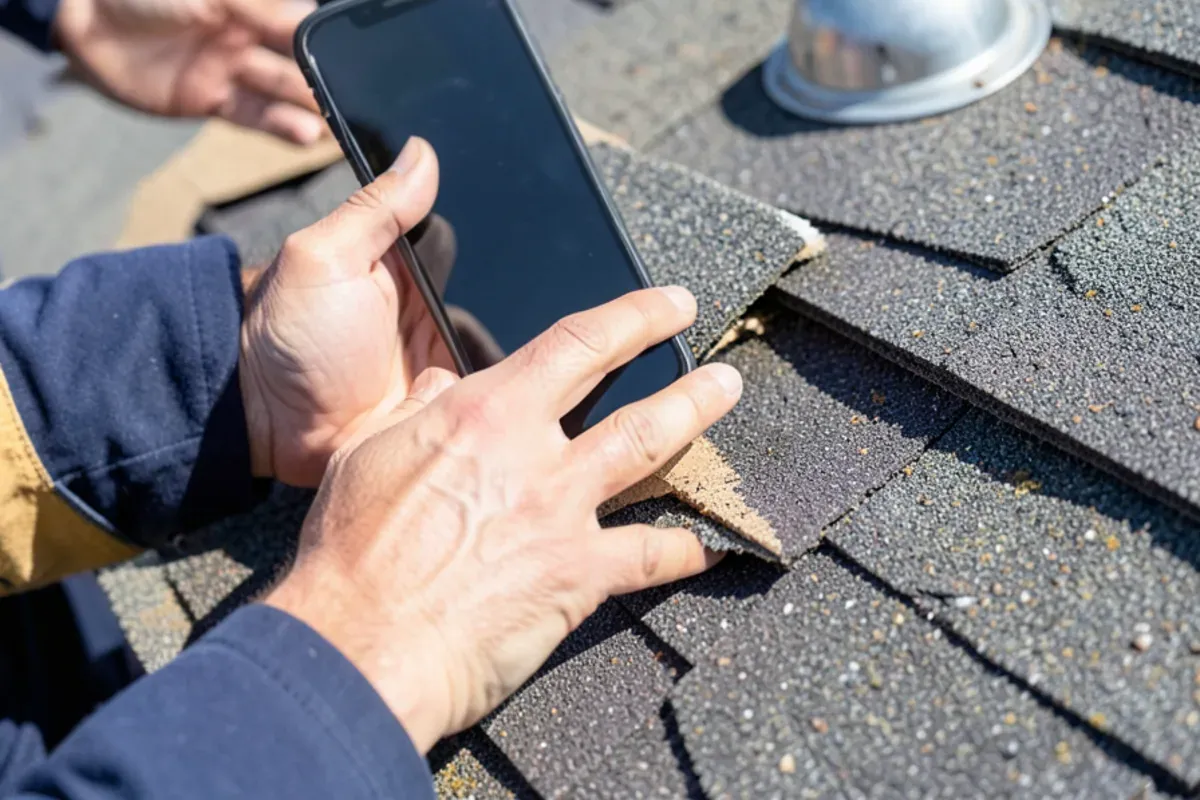
The adjuster is the insurer's representative. They look at the roof, often the attic and the interior, and record what they believe was caused by the event. A roof inspection is not a negotiation, and it does not need to be tense. It does help to have your own photos handy, and a short list of the areas that worry you. A roofer can walk the same roof with you beforehand.
One Google reviewer described a roofer who came out during the insurance inspection so that all the roof damage and exterior issues were properly noted. That is the role we play too: documentation, and a pair of eyes that knows the roof. We do not speak for you in a negotiation or tell the adjuster what the policy should pay.
What is a roof deductible, and who pays it?
Your deductible is the amount you bear before the insurer pays under the policy, and it is stated on your declarations page. A roofer does not waive, absorb or rebate it. Some policies set a separate wind or hail deductible, or a percentage-based one, so check the exact wording. If a repair's cost is close to your deductible, that fact is a matter for you to weigh with your insurer.
How long does a roof claim take?
There is no single timeline. Several things set the pace: how quickly the adjuster can visit, whether more information is requested, whether the insurer needs an engineer or a second look, and whether materials or crews are available. California's claims regulations set response deadlines for insurers, and the California Department of Insurance explains them for consumers at insurance.ca.gov. Ask your insurer in writing when each step is due.
Weather also plays a part for the roofing work itself. Most rain in our area falls between November and March, so a permanent repair may wait for a dry window, and a tarp can protect the roof meanwhile. See our emergency roof tarping service for how that works.
What response times do California rules set for your insurer?
California's claims regulations, in Title 10 of the California Code of Regulations, set time limits for insurers. In general, an insurer must acknowledge a claim within 15 calendar days of notice and must accept or deny the claim within 40 calendar days after receiving proof of claim. If it needs more time, it must tell you why in writing and keep you updated while the claim stays open.
Treat those as a calendar, not a promise. Write down the date you gave notice, the date each document went in and the date each reply came back. If a deadline passes with no word, ask the insurer in writing about the status. The California Department of Insurance explains the rules and takes complaints at insurance.ca.gov, so confirm the current wording there for your situation.
What do we look at for a storm damage claim?
Here is what we check, and what we tell homeowners. We start with the roof surface: creased or missing shingles, displaced tile, bent flashing and cracked vent boots. Then we go into the attic to look for wet decking and insulation. We take photos of each spot and explain whether it looks recent or long-standing, in plain terms. If the roof is wearing out rather than showing storm damage, we say that, too, because you deserve the real picture.
What is a scope of work, and where do supplements come from?
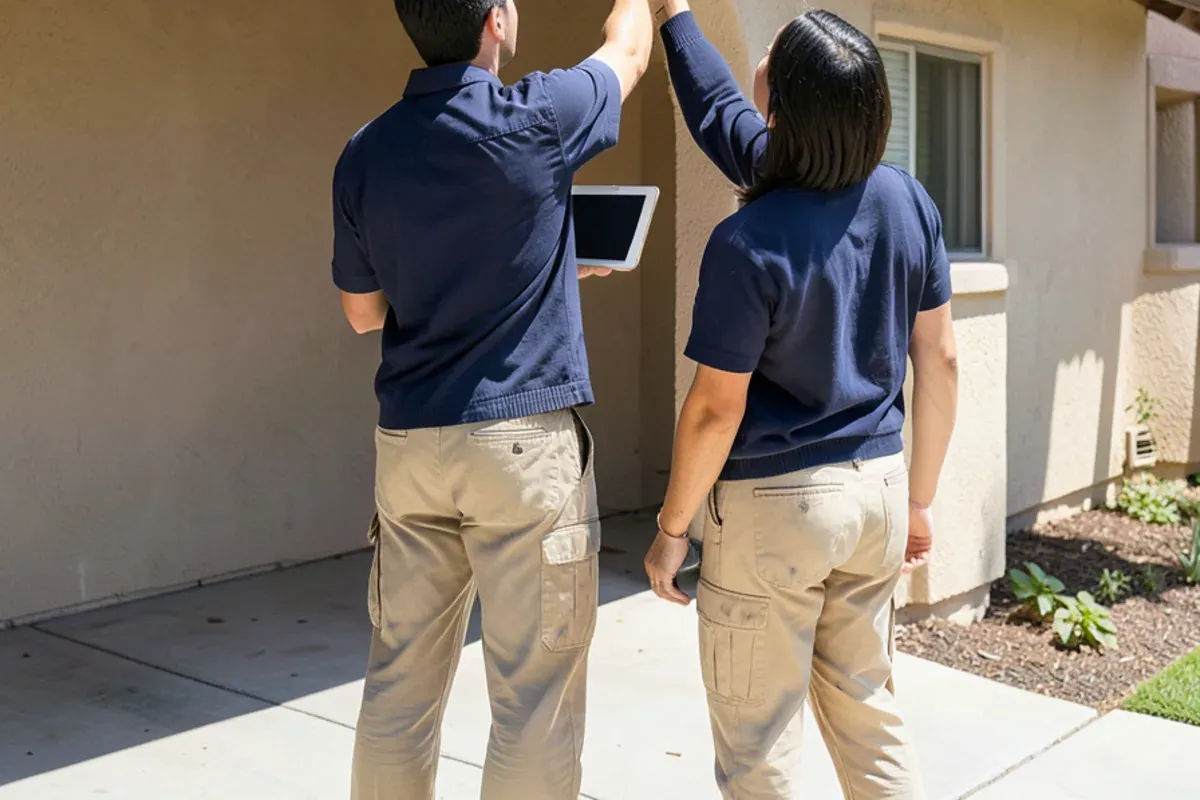
The scope of work is the insurer's line-by-line estimate of the repair it has accepted. It usually lists tear-off, underlayment, flashing, vents, shingles or tile, and cleanup, with measurements in roofing squares. Read it against a roofer's itemized estimate. Differences should show up as specific lines, such as a slope left out or a flashing detail missing.
Some damage cannot be seen until the old roof is off. Soft decking, rot at a wall joint or a hidden leak path can turn up mid-job. A supplement is a request to the insurer to add that work to the scope. The key is evidence taken before it is covered up. We photograph what we find as the roof opens, and the policyholder, or a public adjuster holding a California license, takes it from there with the insurer. We do not negotiate the supplement.
What paperwork should you keep during a roof claim?
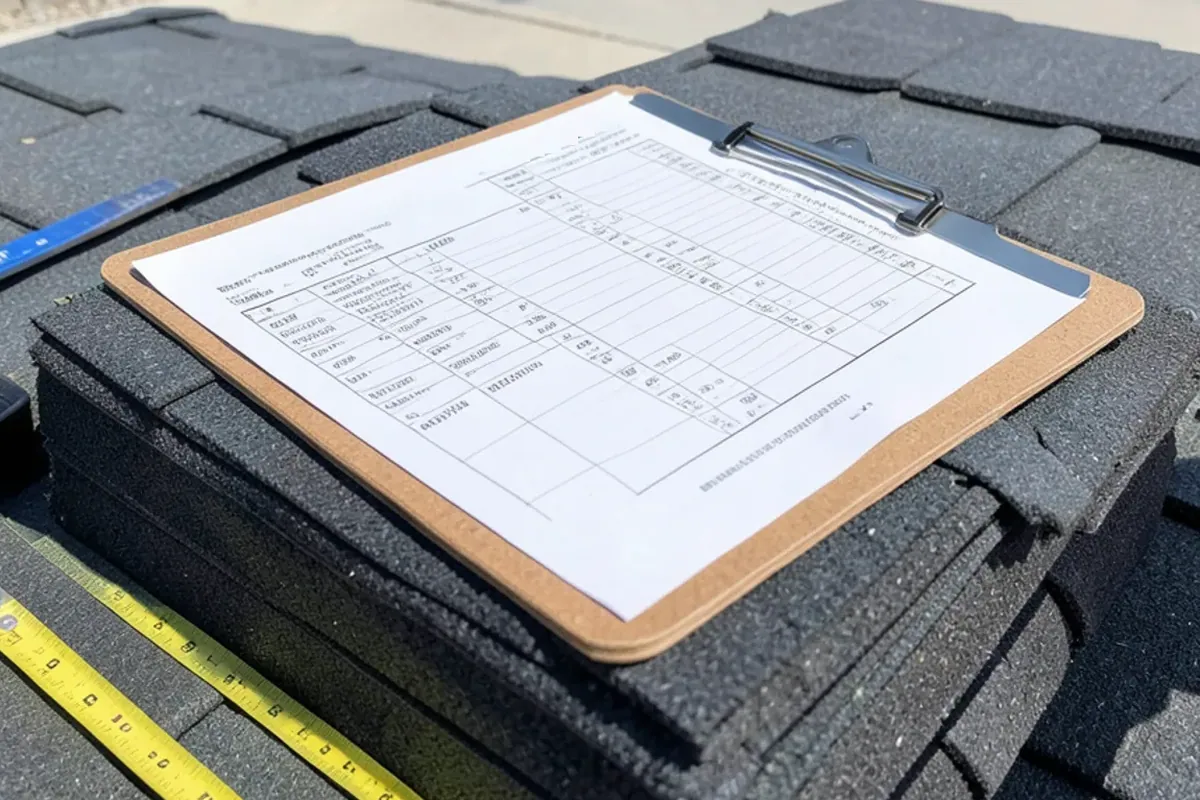
A simple folder, paper or digital, saves hours later. Put in it:
- Your policy and declarations page
- The claim number and the adjuster's contact details
- Dated photos and video of the damage before any cleanup
- Receipts for temporary protection, such as a tarp, or for drying out a room
- The insurer's written scope and any letters or emails
- Roofing estimates, with the line items spelled out
Write down the date and the name of each person you speak to. If the insurer's scope and a roofer's estimate differ, the difference should be visible line by line, not buried in a single total. That makes any follow-up question short and specific. We provide itemized estimates for free so the comparison is easy.
Permits and local rules
Larger repairs may need a permit. Which office issues it depends on where you live. Cities have their own building departments. Unincorporated areas of Los Angeles County use LA County Public Works. Confirm requirements for your address before work starts. We handle permit details on re-roofs.
Where to turn with questions
Your policy and your insurer come first. The California Department of Insurance is the place for questions about your rights and for complaints. When you are ready to see what the roof needs, our roofing contractor in Torrance team offers free estimates and free roof inspections, with photos of what we find.