
By the Crown Trim Roofers team · Published · Updated
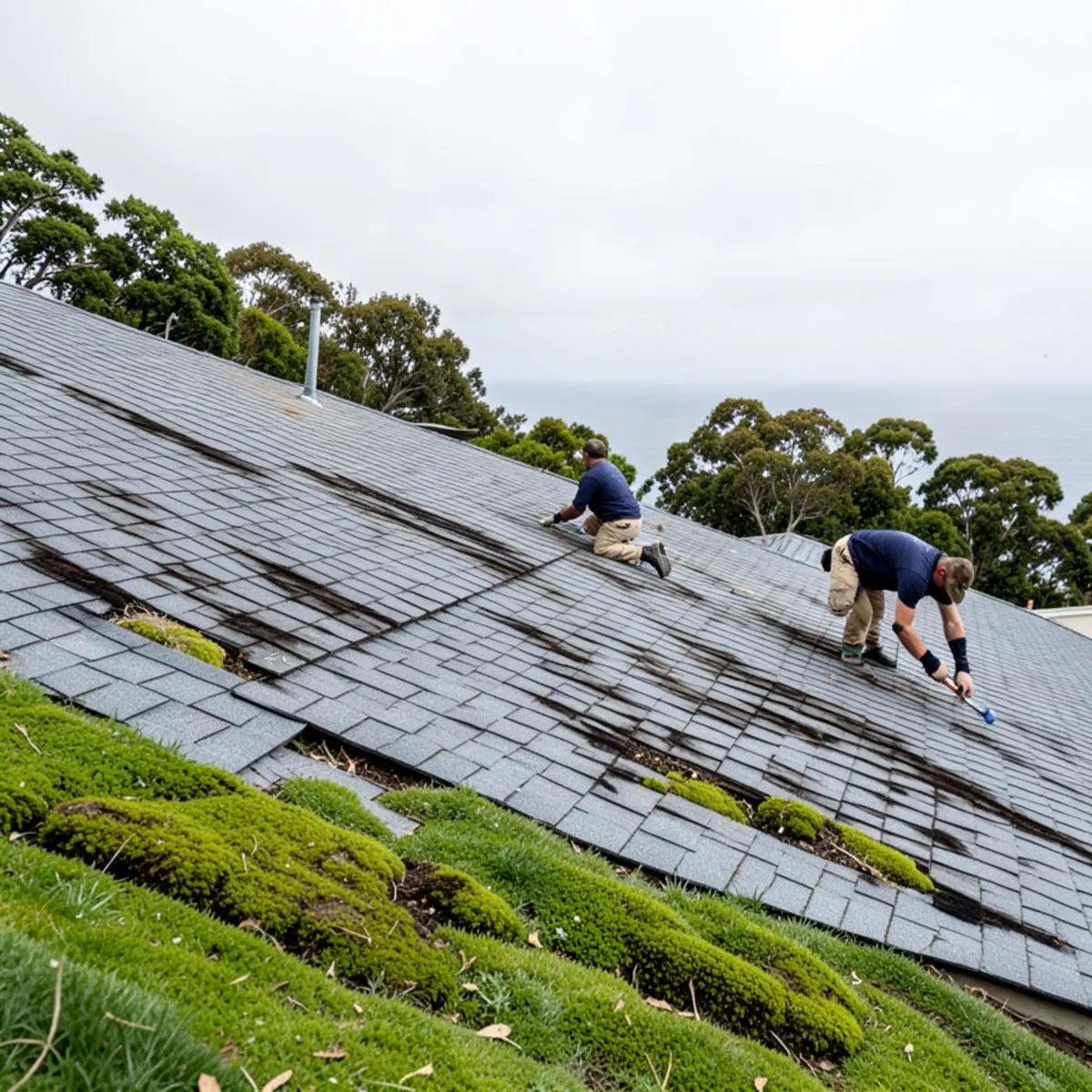
Coastal roofs stay damp longer than inland ones, and shade keeps them that way. A roof on a north-facing slope under a pine can grow moss in a single wet winter. Our moss and algae removal page explains how we clean it, and the roof inspection and maintenance hub covers the other upkeep that goes with it.
Is it moss, algae or lichen?
They look alike from the street but behave differently.
- Algae. Dark gray, brown or black streaks, usually on the shaded side. Mostly cosmetic at first. It holds moisture and can shorten the life of shingles over time.
- Moss. Green, thick and raised. It roots into gaps between shingles or tiles and holds water against the roof. It can lift edges and clog gutters when it sheds.
- Lichen. Flat, crusty gray or orange patches that cling tightly. Harder to remove, and often slower growing.
Algae is the most common of the three on shingle roofs near the coast. Moss shows up where shade, tree litter and slow drying overlap. Tile and concrete roofs can grow all of them too, and rough-textured tile holds moisture a little longer than smooth shingle.
Does it matter? Algae alone is mostly a looks problem, and some homeowners live with it. Moss is different. It holds water against the surface, lifts edges and can push water under shingles during wind-driven rain, so it deserves attention sooner.
Why do coastal and shaded roofs grow moss?
Growth needs moisture, shade and food. A coastal marine layer supplies moisture on mornings when the roof would otherwise dry. Trees supply shade, and also drop leaves and needles that trap water and feed moss. The north slope gets the least sun. Gutters that do not drain keep the lowest shingles wet.
In Redondo Beach and the other beach cities, onshore air and cooler mornings slow drying compared with sunnier inland neighborhoods. Our Redondo Beach page covers how we serve homes there, about a short drive from our Pacific Coast Highway base.
Does the roof material change what grows?
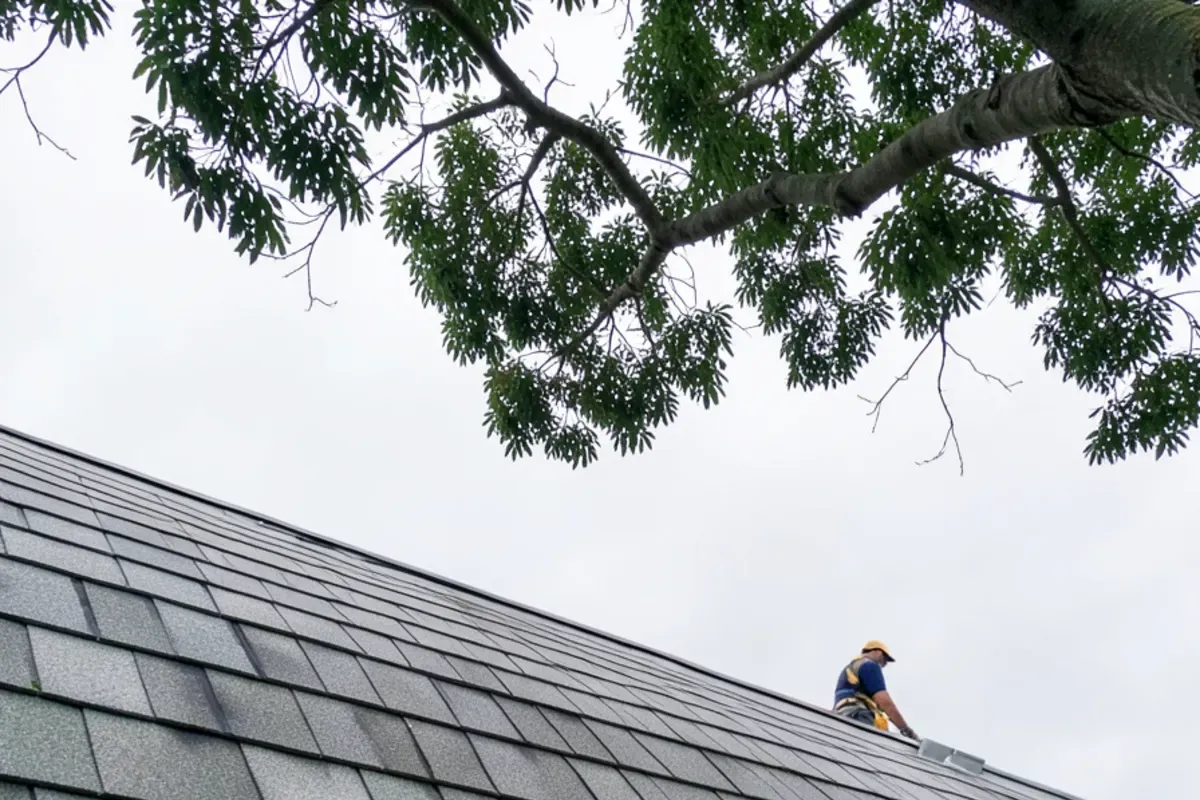
Yes, and it changes what you see and how worried to be.
| Roof type | What tends to grow | What to know |
|---|---|---|
| Asphalt shingle | Algae streaks first, moss in shade | Granule loss is the main long-term cost of aggressive cleaning |
| Clay or concrete tile | Moss in the pans, lichen on the surface | Tile is porous, and walking on it can crack pieces |
| Metal | Little, apart from debris in valleys | Moss can still sit in seams under trees |
| Flat or low-slope | Algae and mold where water ponds | Standing water is the real issue, not the growth |
How do you remove moss from a roof without damage?
Gentle methods protect the roof. Harsh ones shorten its life.
- Dry brushing or light scraping. Loose moss lifts off with a soft tool. A professional does this with care so shingles are not torn.
- Soft washing. A cleaning solution applied at low pressure kills growth at the root, then a gentle rinse carries it away.
- Protecting the surroundings. Landscaping and driveways are covered or rinsed so runoff does not harm plants.
- A post-clean check. Once the surface is clear, a roofer can see loose granules, lifted edges or cracked pieces that growth had hidden.
One Google reviewer in Torrance described having a roof cleaned, with all the moss and algae removed without harm to the shingles. That is the standard to hold anyone to. Avoid high-pressure washing. It strips granules, and a roof that loses granules has less sun protection. Our roof cleaning page explains the process.
Can you prevent roof algae from coming back?
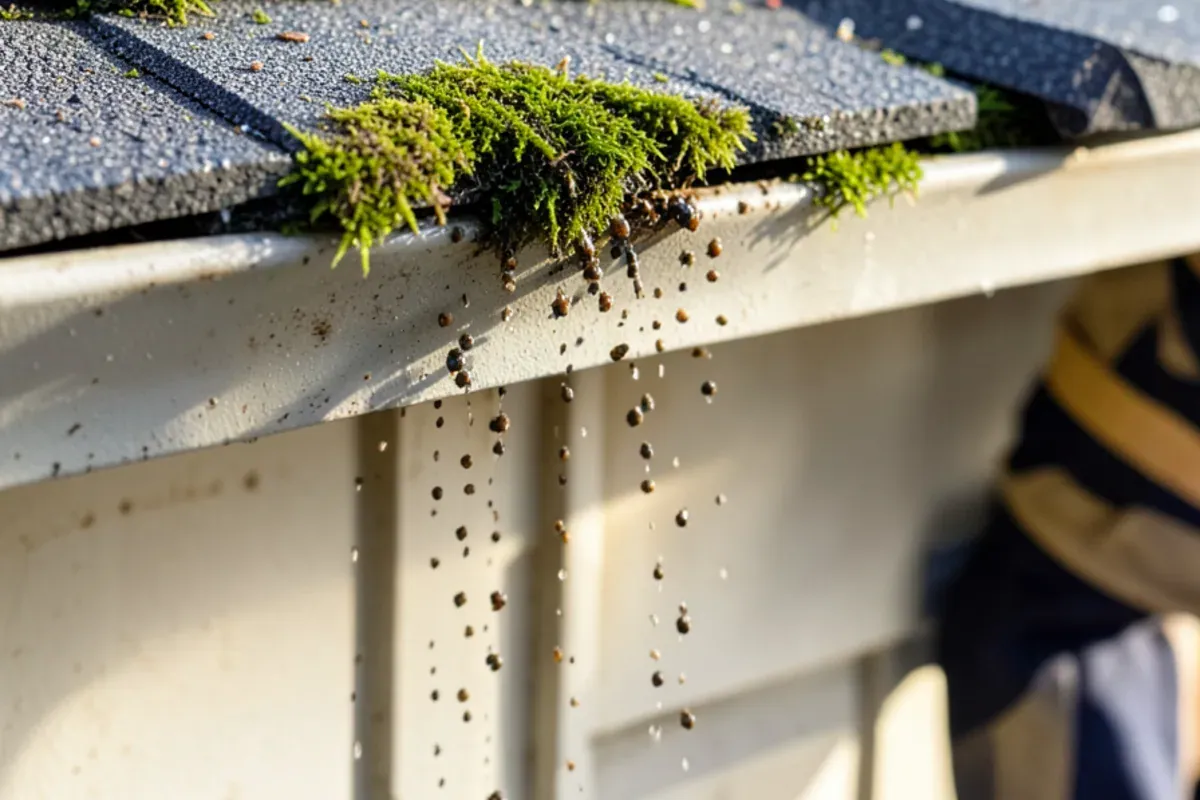
You can slow it. You rarely stop it for good in a damp, shaded spot, because the same marine air and shade that fed it the first time are still there after a cleaning. Prevention is about changing those conditions where you can. These steps help the most:
- Cut back branches that shade the roof or drop litter on it.
- Keep gutters clear so water does not sit against the lowest courses.
- Remove debris from valleys and behind chimneys, where moisture hangs on.
- Add zinc or copper strips near the ridge, installed by a roofer. Rain carries trace metal down and discourages growth below.
- Ask about algae-resistant shingles at your next replacement. Many shingle lines include copper-bearing granules for this reason.
- Schedule a recheck a year or two after a cleaning to see how fast it regrows.
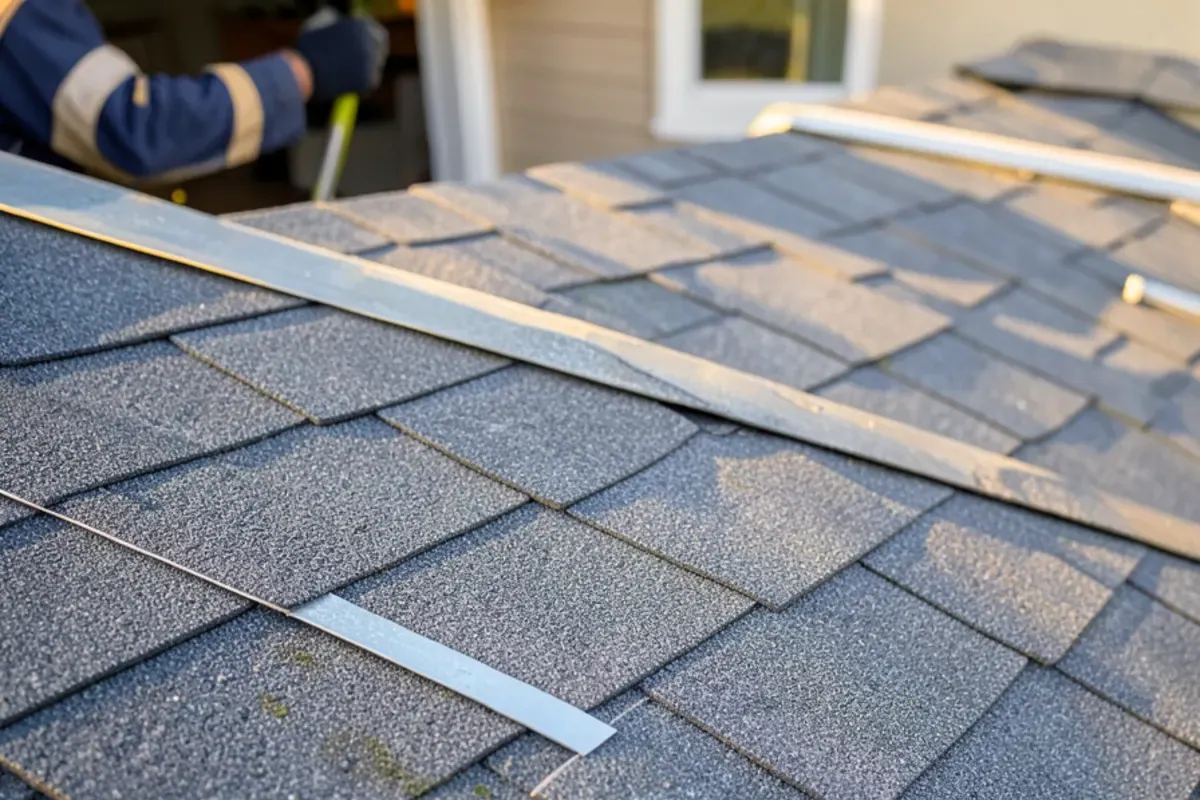
What can you do from the ground each season?
You do not need to climb up to catch growth early. Wet moss is slippery and tile cracks underfoot, so keep the whole routine on the ground:
- Early fall. Look at the north and east slopes with binoculars before the rains. Trim branches that touch the roof.
- Midwinter. After a week of damp mornings, check whether green has appeared in shaded rows or along the eave.
- Late winter. Note any streaks that look longer or darker than last year, and check the gutter for green or black sludge.
- Late spring. Clear gutters, then photograph each slope from the same spot to compare against earlier years.
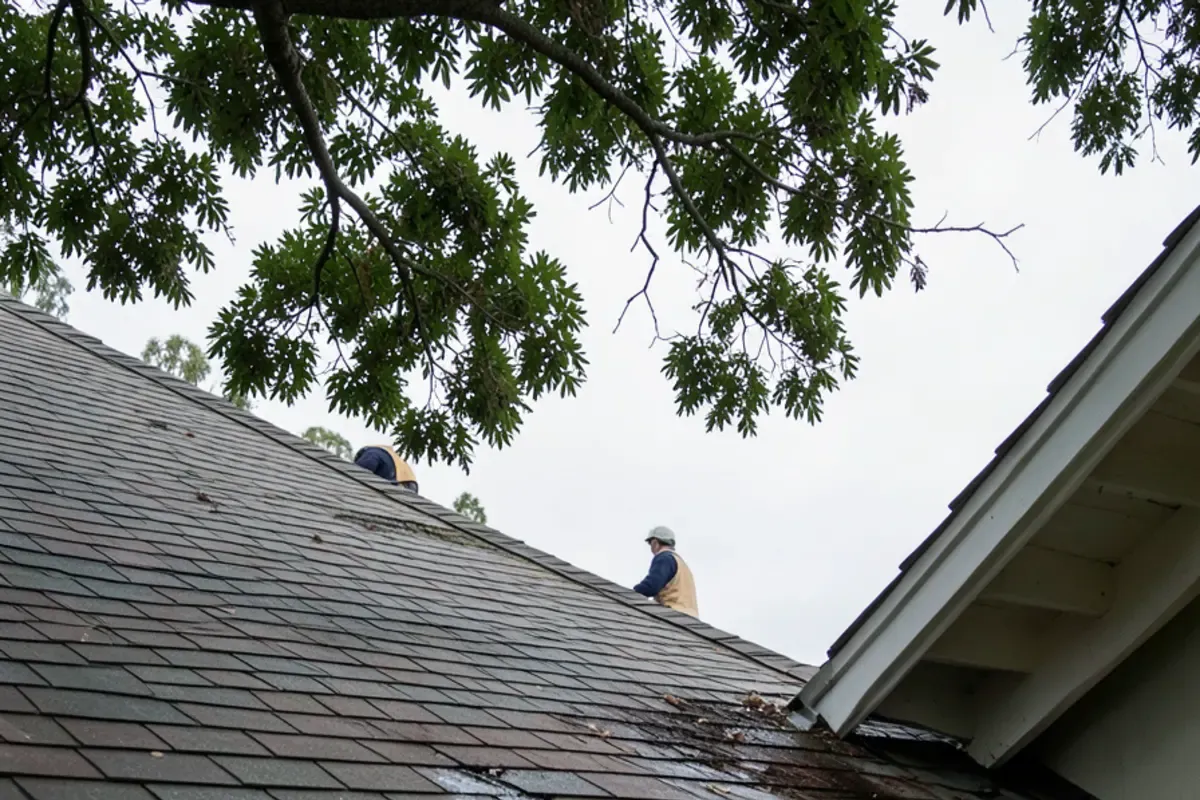
If a photo shows green creeping up from the eave or tabs lifting, that is the time to book a cleaning, not a year later.
Which DIY fixes should you skip?
A few common ideas do more harm than good. Pressure washing strips granules and can force water under the shingles. Scraping hard with a wire brush tears tabs. Dumping undiluted bleach on the roof can discolor flashing, damage plants below and run into storm drains. Climbing onto a damp, mossy roof is the riskiest option of all, because the surface is slick even at a low pitch. If you want to try something on your own, limit it to trimming branches, clearing gutters and watching for change. Leave the surface itself to a professional with the right equipment and fall protection.
What do roofers check while cleaning a mossy roof?
This is what we look for when a cleaning visit is booked, framed as what we tell customers:
- Granule loss. Moss and algae often sit beside worn areas. See our post on roof granule loss for when it matters.
- Lifted tabs and cracked pieces. Moss can hide them until it is removed.
- Flashing and sealant. Growth around chimneys and vents can hide gaps.
- Gutter and fascia condition. Water that sits there often points to the same drainage problem.
We show you photos of what we find, and a repair comes first when a repair will do. We do not push a replacement for a roof that only needs a cleaning.
When is moss a bigger problem than a clean-up?
If the roof is soft underfoot, the shingles are curling, or the ceiling inside has stains, the growth is a symptom of a roof near the end of its life. At that point, cleaning buys time but does not repair the roof. For a local view of your roof, a roofing contractor near the beach can compare the surface to its age and tell you whether a clean, a tune-up or something larger makes sense. Asking costs nothing, and the inspection is free.