
By the Crown Trim Roofers team · Published · Updated
South Bay roofs get a long dry season and then a short, loud wet one. By the time the first real storm arrives, summer sun has dried out sealants and flexed every joint on the roof. Water finds whatever gave up in the dry months. A roof inspection in early fall is the cheapest way to find those spots first, and the roof inspection and maintenance hub shows the other services that go with it.
When is the rainy season in the South Bay?
Roughly November through March. Torrance gets about 14 inches of rain a year, with February the wettest month at about 3.5 inches. The totals are modest. The trouble is how it arrives. An atmospheric river can drop heavy rain over a day or two, and a quiet El Nino outlook does not rule out a single strong storm. Prepare for the hard day, not the average one.
How much rain falls in each month?
| Month | Normal rainfall (inches) |
|---|---|
| October | 0.49 |
| November | 0.80 |
| December | 2.24 |
| January | 3.36 |
| February | 3.66 |
| March | 1.98 |
These are 1991-2020 normals for Torrance Municipal Airport. Those six months add up to about 12.5 inches of the 13.64-inch season normal. The pattern is the point. October is nearly dry, so it is the repair window, and the heavy months come after the roof has had time to bake and flex. Averages hide the outliers, so treat the first forecast storm as the deadline, not the calendar.
What is the fall roof check for a Torrance home?
You can do the first pass from the ground. Look at the roof in daylight with binoculars. Stay off the roof itself. Tile breaks under foot, and wet or dusty shingles are slick.
- Scan for out-of-place pieces. Slipped tile, lifted or creased shingles, or a ridge cap with a gap.
- Look at flashing. Chimneys, skylights and wall junctions where metal meets roofing.
- Check vent boots and pipe collars. Rubber ages in the sun and cracks.
- Check valleys. Debris and rust show up first where water funnels.
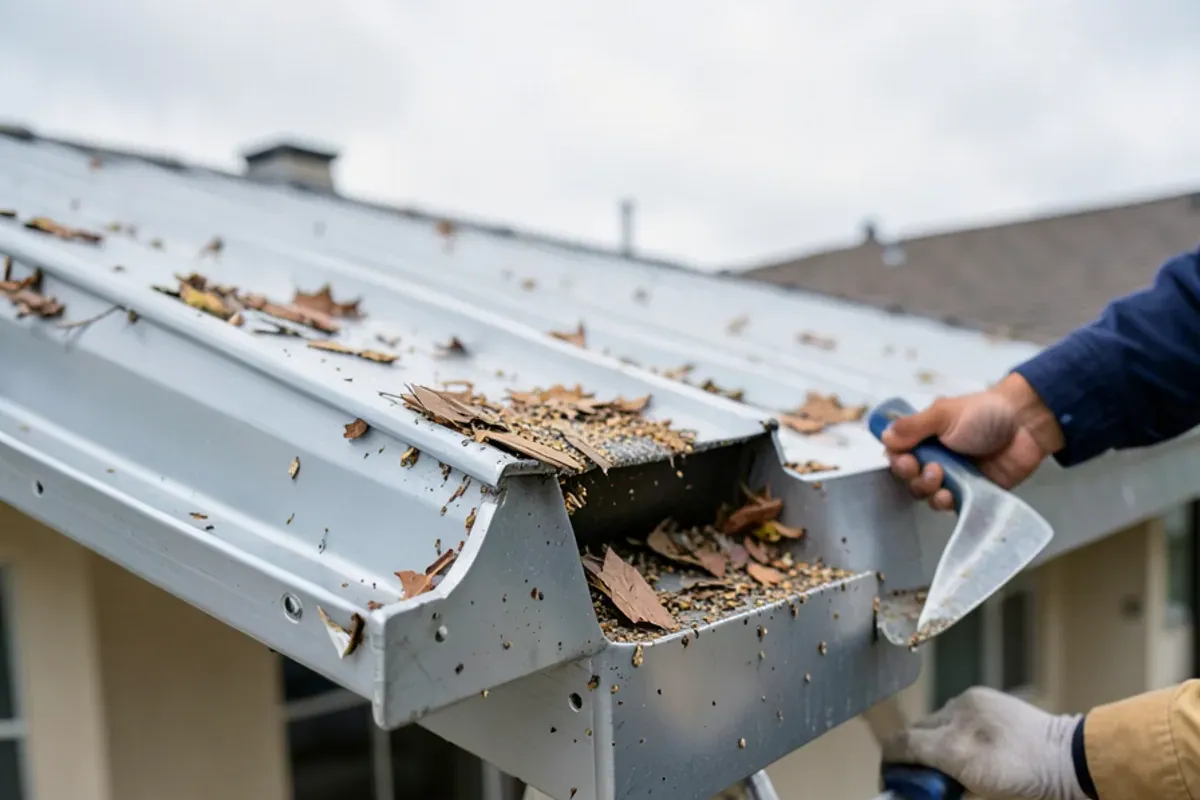
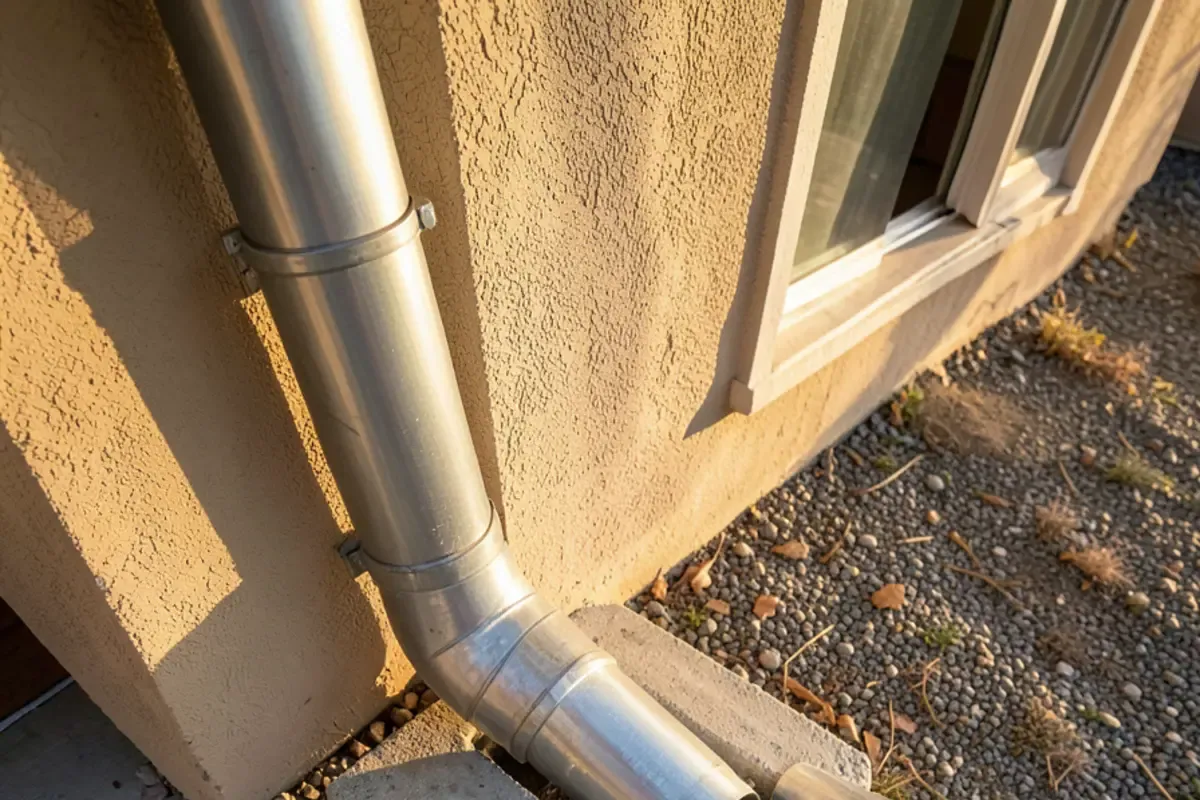
- Check gutters and downspouts. Water should leave the roof, not sit.
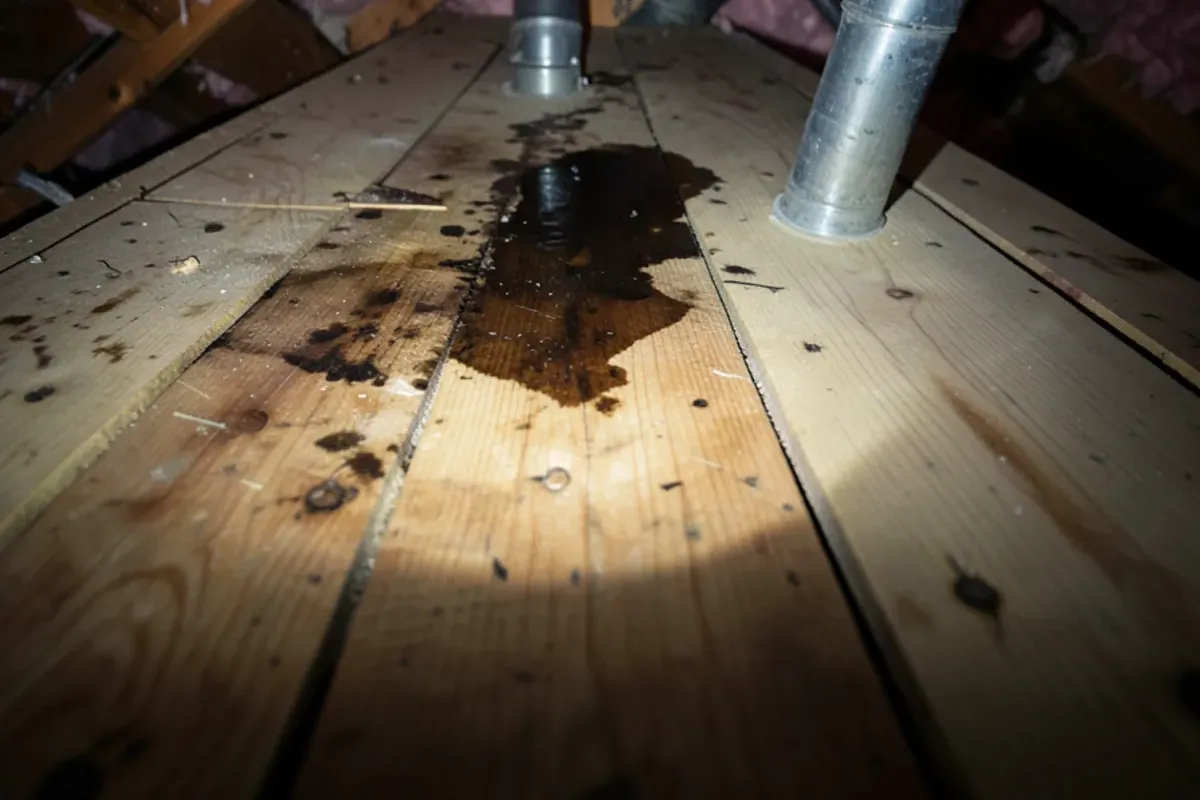
- Check the attic. Stains, damp insulation or daylight at the underside of the roof.
What should you fix before November?
Some problems cannot wait, and some can. Here is how we think about it:
| Finding | How urgent |
|---|---|
| Slipped tile or missing shingles | Fix before the first storm |
| Cracked vent boot or pipe collar | Fix before the first storm |
| Rusted or lifting flashing | Fix before the first storm |
| Gutter clogged or pulling from fascia | Clear now, repair soon |
| Worn granules or faded shingles | Plan for it, not an emergency |
| Stained attic wood | Find the source before rain |
For gutter timing, our guide on how often to clean gutters in Torrance goes deeper. Cleaning gutters before rain is the single most useful chore on this list. Clogged gutters hold water against the fascia and can push it back under the roof edge.
How should tile, shingle and flat roofs be prepped differently?
Each roof type fails in its own way:
- Tile. Look for slipped or cracked pieces and gaps at the ridge. The tile sheds most water, but the underlayment beneath it does the sealing. Our tile roof repair page and the post on slipped roof tiles explain what to do.
- Asphalt shingle. Check for lifted tabs, nail pops and bare patches where granules have worn off, especially along the south and west slopes that take the most sun.
- Flat or low-slope. Check drains, scuppers and seams. Water that stands for more than a day or two is a warning. See flat roof repair and the post on ponding water on flat roofs.
Does an older roof change the plan?
Yes. Torrance has a lot of older housing: the median home was built in 1964 and 82.3 percent predate 1980. Many roofs there are on a second or third covering, and they have been patched. A roof like that gets more from a pre-season look than a newer one. If yours is near the end of its life, the fall check is also the moment to ask whether repair or replacement makes sense. Our annual roof inspection checklist is a good companion.
What should a 20-minute attic check cover?
Pick a dry afternoon and take a flashlight, a phone and a mask. Look at the underside of the decking around every vent pipe, chimney and valley, since those are the usual entry points. Dark rings, rust-colored nail tips and damp insulation tell you water has been getting in, even if the ceiling below is clean. Smell matters too: a musty attic points to moisture that has been there a while.
Photograph anything suspect with the date. After the first real storm, go back and look again at the same spots. A stain that has grown tells you the leak is active, and the photos give your roofer a head start.
How do El Nino winters change the checklist?
NOAA describes El Nino as a pattern that can tilt Southern California toward wetter winters, though it is a tilt and not a promise. For a home, the practical El Nino roof checklist is the same list with less room for delay. Finish the flashing and vent work first, because those repairs depend on dry weather. Then clear drainage. Then plan bigger projects, such as a re-roof, for a dry window. Winter roof prep in California is mostly about not letting a small gap get tested by a long storm.
What roofers tell customers before a storm season
Here is what we check and say on a fall call:
- We start where water enters most often: flashing, vent boots, valleys and penetrations.
- We look at the attic as well as the roof. One Google reviewer described a roofer who checked the attic to see whether any problem spots had started leaking, something they had not seen during a roof inspection before.
- We show you photos of what we find, and we tell you what must be done before rain and what can wait.
- We favor a repair when a repair will do. A fall check does not have to end in a replacement quote.
- If you already have an active leak, we say so plainly. It is a repair first, then a plan.
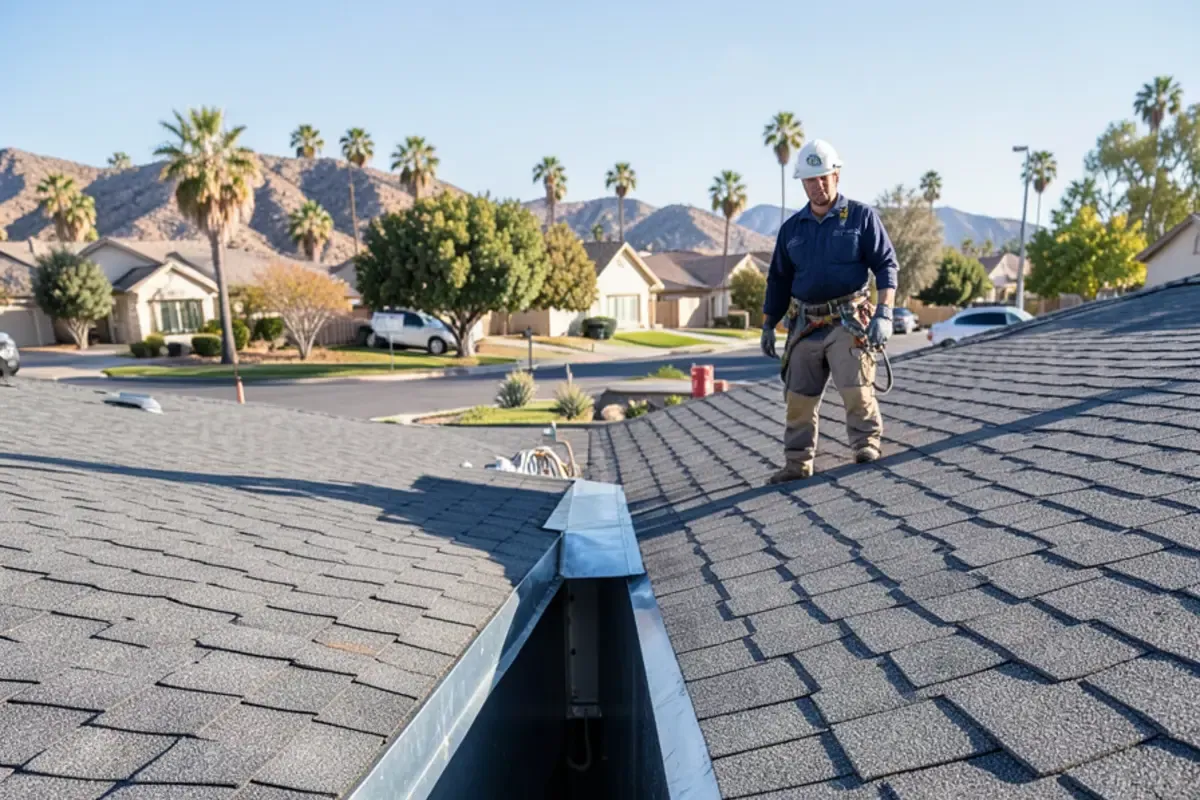
If a storm is already forecast and you have a problem, say so when you call. We offer same day or next day service, and a tarp can protect the roof until the repair is done.
What can you do yourself?
Safe tasks from the ground or a stable ladder: clear gutters, trim branches that touch the roof, rake leaves away from valleys with a telescoping tool, check that downspouts discharge away from the foundation, and photograph the roof for your records. Do not climb onto tile or attempt repairs on a steep roof. A fall costs far more than an inspection.
Booking your fall roof check
Pick the next dry day. Walk the house, note anything suspect and take photos. If something looks off, or the roof is past 15 years, book a look. Crown Trim Roofers offers free roof inspections and free estimates across the Torrance area, and we explain your repair and replacement options in plain terms.