
Attic Ventilation Repair in Torrance, CA
- 4.8★ from 73 Google reviews
- Free estimates
- Same day or next day service
- Photos of what we find
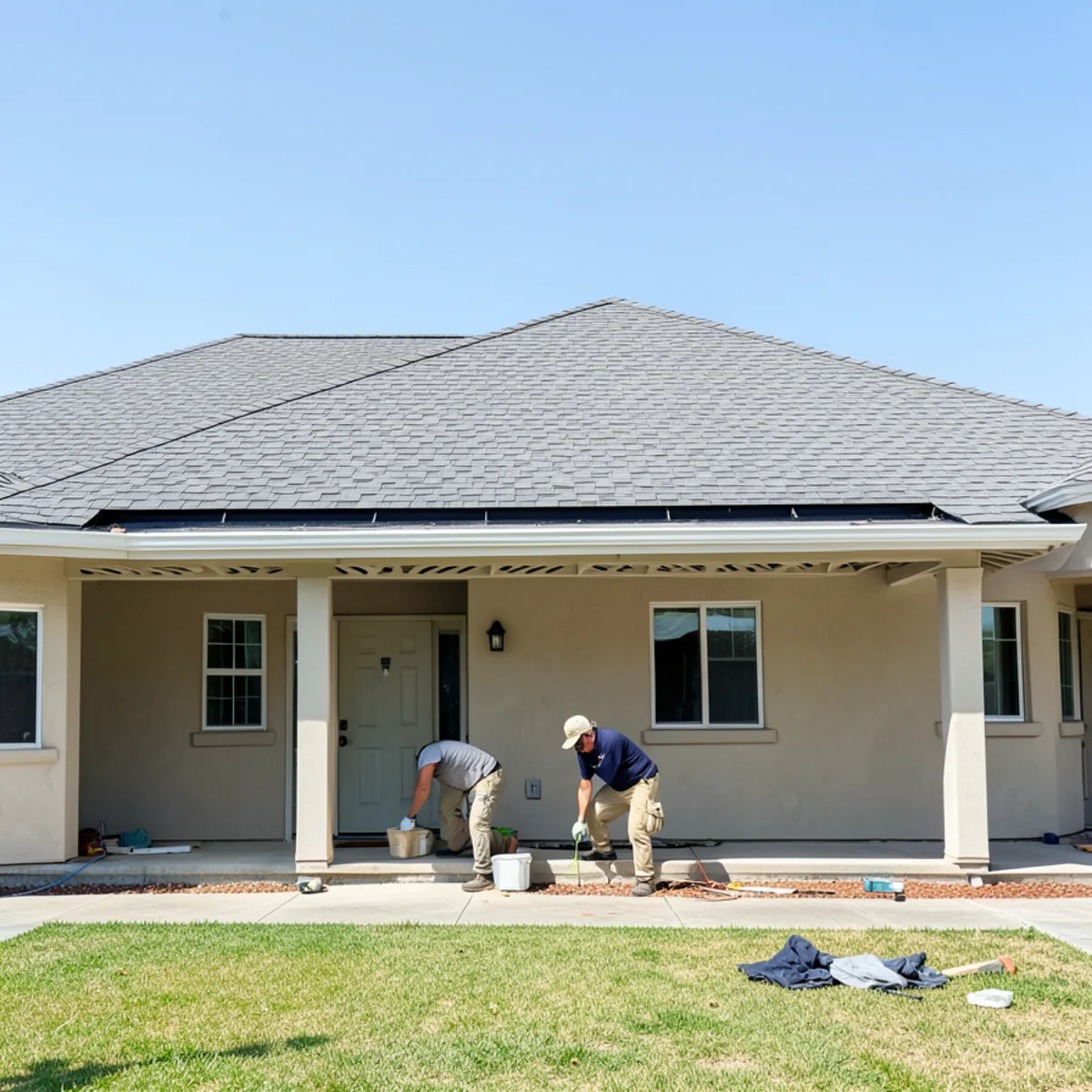
An attic is a lung that only works if it can breathe in and out. Roofing, insulation and the rooms below all depend on that. This service sits within our roof inspection and maintenance work: we look at what air does in the space under your roof and fix the parts that stop it moving.
What are the signs your Torrance attic is not venting?
Symptoms show up in the rooms, on the roof and in the attic itself.
- Upstairs rooms stay hot after sunset, with the air conditioner running long.
- The attic feels like an oven or smells damp when you open the hatch.
- Shingles crack, curl or blister sooner than the roof's age suggests.
- Rusted nail tips and dark deck stains on the underside of the sheathing, from moisture trapped on cool nights.
- Insulation looks matted or stained along the eaves.
Torrance rarely has many scorching days, so heat is half the story here. The marine layer brings damp mornings, and a bathroom fan that dumps into the attic adds more. Moisture that cannot leave condenses on the cold deck. One Google reviewer described a roof job that included "making sure the ventilation was just right for the warm California weather."
How should intake and exhaust be balanced?
Cool air has to come in low and hot air has to go out high, in roughly equal measure. Too much exhaust and not enough intake leaves the fans or vents pulling air from wherever they can, including the house.
The usual building code approach sets the amount of vent area against attic floor area. The California Residential Code states the ratio, so confirm the requirement for your house with the City of Torrance Building & Safety at (310) 618-5910. We measure what you have in square inches, not just count vents.
Typical failures on 1960s homes:
- Soffit vents painted shut or smothered by insulation blow-in at the eaves.
- Gable vents and box vents working against each other, so air moves in one and out the other without crossing the whole attic.
- A turbine vent seized with rust, doing nothing but leaking around its base.
- No intake at all after a past re-roof closed the original slots.
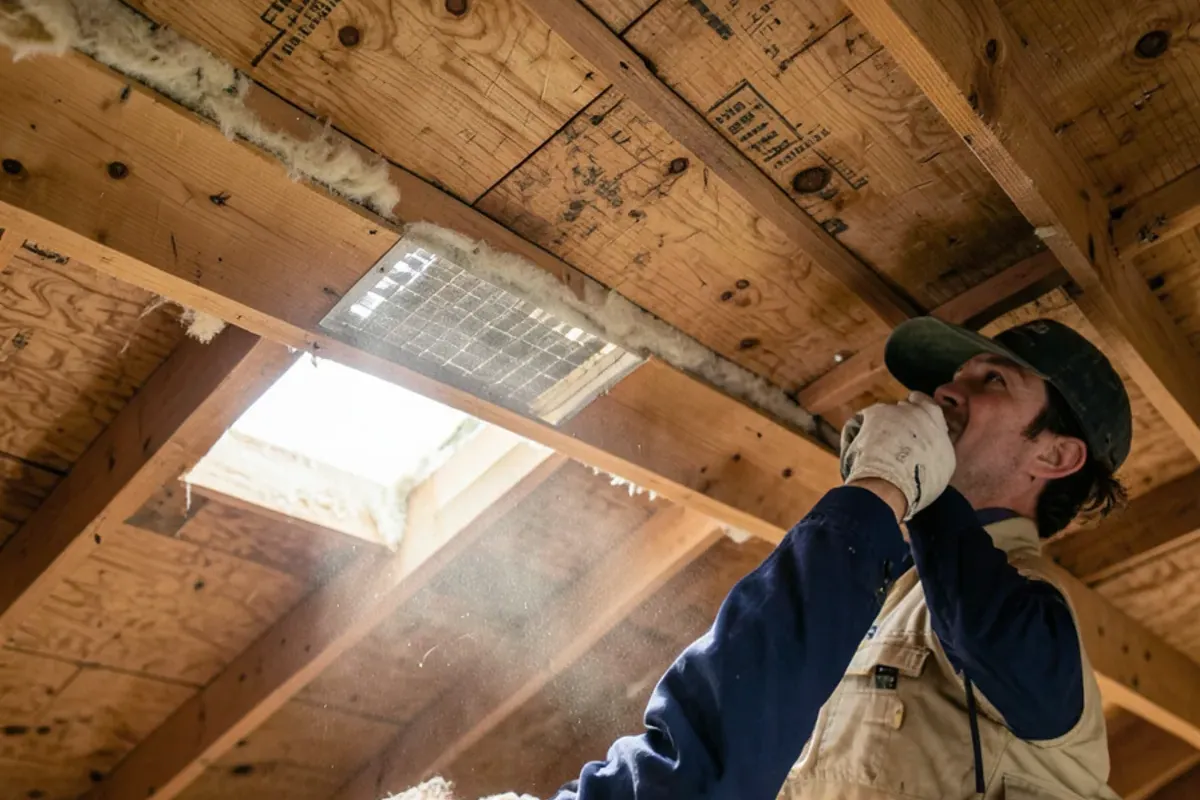
Ridge vent installation or box vents?
| Option | Works well when | Watch for |
|---|---|---|
| Continuous ridge vent | The roof has a clear peak and enough soffit intake | Needs a slot cut in the deck; wind-driven rain if cheap models are used |
| Box (static) vents | A small attic or hip roof with short ridges | Too few of them, or mixed with ridge vents |
| Soffit vents | Almost always, as intake | Blocked by insulation or paint |
| Solar attic fan | Intake is solid and a ridge vent is not an option | Pulling conditioned air from the house; motor and panel life |
| Tile-roof vents | Tile roofs where standard vents do not fit | Matching profile to the tile |
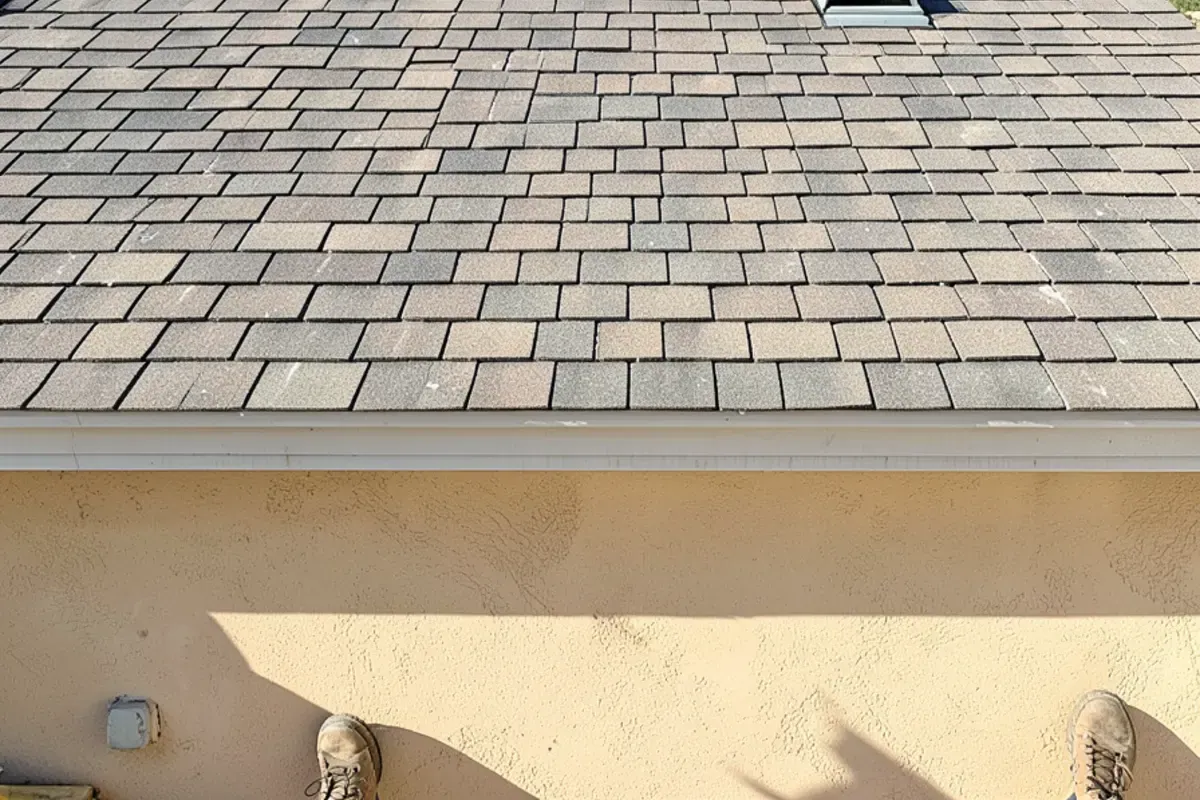
Our pick is usually the simplest balanced system: clear the intake, then use one kind of exhaust. If your roof is being replaced anyway, adding a ridge vent is much easier while the deck is exposed.

What does attic ventilation repair include?
Attic ventilation repair is a measure-then-fix job. On many Torrance tract homes the original eave slots were closed by a past re-roof or buried under blown-in insulation, so we start with the intake and only then look at exhaust. Both are counted in square inches, and the numbers go into a short note you can keep. If the vents at hand cannot be balanced, we explain whether to add a ridge vent now or wait for a re-roof, when the deck is open. The scope is set at the estimate. A visit covers:
- A measured count of existing vent area, intake and exhaust, in square inches
- Photos of insulation at the eaves, deck underside and any rust or staining
- Clearing blocked soffit slots and installing baffles where insulation chokes them
- Replacing failed box vents, turbines or collars, or adding a ridge vent
- Flashing and sealing every opening so a new vent does not become a leak
- A written note of what is balanced and what is not
How an attic ventilation visit runs, step by step
The steps run in this order:
- Attic and roof look. We go up through the hatch, note vent type, size and obstruction, and photograph insulation at the eaves.
- Roof surface check. We inspect existing vents, boots and the ridge from above.
- Explanation. You see photos of what is blocked, rusted or missing, and we explain options in plain terms.
- Repair. We clear baffles and intake, replace failed vents or add new ones, and flash and seal each opening so it does not become a leak. For failed collars see vent boot repair.
- Cleanup. We protect landscaping and driveways and clean up thoroughly.
What changes the price of attic ventilation repair?
We give free estimates and do not post prices. Factors:
- How many vents are replaced or added, and which type
- Whether a ridge slot has to be cut, or soffit intake created
- Roof material, since tile and shingle need different parts
- Pitch and height, and attic access through a tight hatch
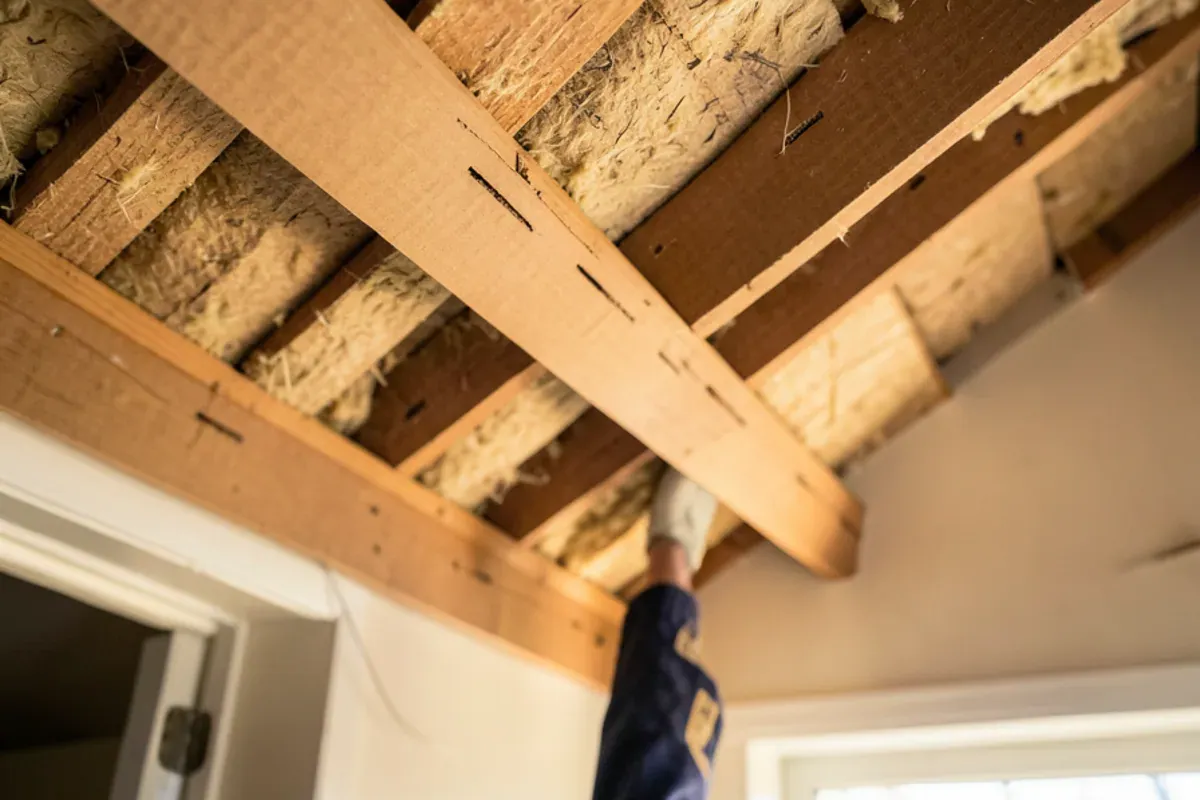
- Whether insulation must be pulled back and baffles installed
- Whether the roof is also being replaced, which makes some work simpler
A single seized turbine is a small job. Rebuilding intake and exhaust across a whole attic is a larger one, and the estimate should list each vent change as its own line.
What rules apply to attic vents in Torrance?
The California Residential Code sets attic vent area against floor area, and the exact ratio and exceptions depend on the roof and attic, so confirm the requirement for your house with Torrance Building & Safety at (310) 618-5910. Cutting a ridge slot or changing roof openings can call for a permit. In mapped Fire Hazard Severity Zones, such as parts of the Palos Verdes Peninsula, vents are expected to resist embers under the state building code, so ask the building department before choosing parts. Bathroom fans should exhaust outdoors, not into the attic.
Check any contractor on the Contractors State License Board site. California requires a license for jobs of $1,000 or more in labor and materials.
Why Crown Trim for attic ventilation repair?
- Reviewers rate us 4.8 stars across 73 Google reviews.
- Free estimates and free roof inspections.
- We climb into the attic and show photos of what we find.
- We work on homes, apartments, HOAs and commercial buildings, matching vents to each roof type.
- We explain repair and replacement in plain terms, with a repair first when it will do.
- Same day or next day service.
- Thorough cleanup with landscaping and driveways protected.
Will fixing the vents also help the roof last?
Venting does not fix a worn roof. It takes the heat and trapped damp that shorten the life of shingles and deck. After a repair, keep the eaves clear of leaves, keep insulation from blocking the soffit and review the vents during an annual roof inspection.
We work on attics across the South Bay, including Carson, Redondo Beach and Rancho Palos Verdes. Beach-side houses fight damp air, while hillside homes catch more sun and wind, so the right vent mix can differ even a few miles apart.
Where we do attic ventilation repair around Torrance
Each place brings its own version of this job.
- Calabasas: Hillside roofs in hot Calabasas need balanced attic airflow, and wildfire exposure along Las Virgenes Road makes vent screening matter.
- Trabuco Canyon: Canyon homes above Rancho Santa Margarita with brush exposure need attic vents that move air without inviting embers.
- Rolling Hills: Fire-hazard zoning in this gated city means new roof vents may need to be ember-resistant, which changes the parts we can use.
- Rolling Hills Estates: Ranch homes with long rooflines get sun and wind off the hills, and parts of the Peninsula carry fire-hazard mapping that shapes vent choice.
- Palos Verdes Estates: Tile roofs on 1920s-era homes need vent parts that fit the tile profile, and visible exterior changes go through the Art Jury.
- Rancho Palos Verdes: Ocean-facing homes see marine wind and salt that rust older metal vents and turbines, and vaulted ceilings leave little attic to ventilate.
- Lakewood: Early-1950s ranch homes built in a single wave now reach re-roof age together, which is when adding a ridge vent is easiest.
- Hawthorne: 1950s homes and small apartment buildings with low-slope sections need intake and exhaust planned around short ridges.
- Del Aire: 1950s homes on their second or third roofs often had soffit intake covered by later layers and fresh insulation.
- Williams Canyon: Brush-fire exposure in Santiago Canyon means attic vents need ember-resistant screening while still moving enough air.
What customers say about this work
Crown Trim Roofers holds 4.8 stars from 73 Google reviews. Read all reviews
“miles and his crew were focused on doing quality work and paid attention to the small details—like painting the roof vents and pipes to match the new shingles, which made everything look great.”
“Miles also checked the attic to see if any problem spots had started leaking, which was something we had not seen before during a roof inspection.”
“He came out to inspect my roof after a storm blew off some shingles, found additional weather-related damage, and walked me through every roofing option in simple terms.”
Attic Ventilation Repair: common questions
What are the signs of poor attic ventilation in a Torrance home?
A hot upper floor in the afternoon, an attic that is stuffy to climb into, damp or darkened roof deck, rusty nail tips, and shingles that crack or curl early. Winter signs include moisture or frost-like staining on the underside of the deck. Our post on poor attic ventilation signs lists more things to check yourself.
Is a ridge vent better than individual roof vents?
Often, but only when the attic has enough intake at the eaves. A continuous ridge vent exhausts evenly along the peak, while box vents work at spots. The real rule is balance: intake low, exhaust high. Mixing a ridge vent with box vents can short-circuit airflow, so we usually pick one type of exhaust.
Can bad ventilation void my shingle warranty?
It can. Many shingle manufacturers write ventilation requirements into their warranty terms, and a claim can be argued if the attic fails them. Read your paperwork or ask the manufacturer. We make no warranty promises ourselves, but we can show you the vents and the airflow so you know where the attic stands.
Do solar attic fans actually work?
They can move air, but they need intake to work with. If the attic has weak soffit vents, a fan can pull air from the living space through ceiling gaps instead. They also depend on a working panel and a motor that eventually fails. We check intake first, then talk through whether a fan makes sense for your roof.
Does attic ventilation affect my energy bills?
It can, mostly in summer. A hot attic radiates heat into the rooms below and makes the air conditioner work longer. Torrance has few extreme heat days, so the gain is less dramatic than inland, but a stuffy attic is still worth correcting. Insulation matters just as much; see attic insulation.
How long does it take to add or replace roof vents?
Replacing a few box vents or boots is usually a same-visit job. Cutting in a ridge vent takes longer, and adding soffit intake needs access from above and below. We confirm the scope at the estimate. Rain and wind can postpone any work that leaves the deck open.
Related services and guides
Attic Insulation
Roof Inspection
Signs of Poor Attic Ventilation in a Torrance Home
Get Your South Bay Roof Ready Before November Rain
Annual Roof Inspection Checklist for South Bay Homes
Where we work: Carson, Redondo Beach, Rancho Palos Verdes, Gardena and the rest of our service areas.
Hot, stuffy attic? Let us check the airflow.
Call first. A roofer picks it up from there.